
Viatron System 21 Model 2111 Restoration
Here are a number of pictures taken prior to the restoration and clean up of the Viatron System 21 Intelligent terminal. It was definitely a haven for spiders but the main unit looks very clean otherwise. There is some excellent information on Viatron and the System 21 Intelligent terminal on Wikipedia here: https://en.wikipedia.org/wiki/Viatron I was very fortunate to have received several documents with the terminal including schematics. You can find the documentation at this link in my Files Area under Viatron System 21.
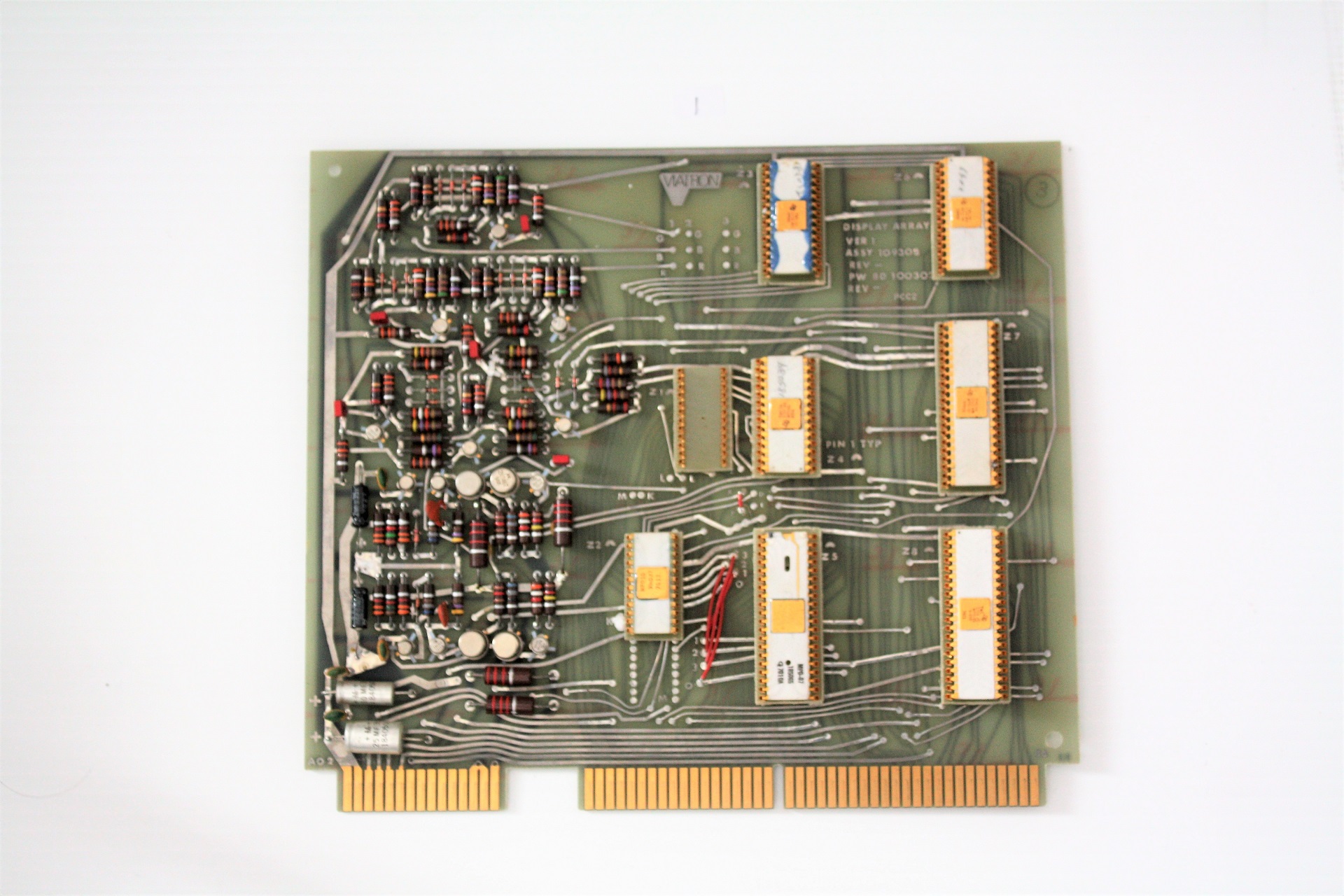
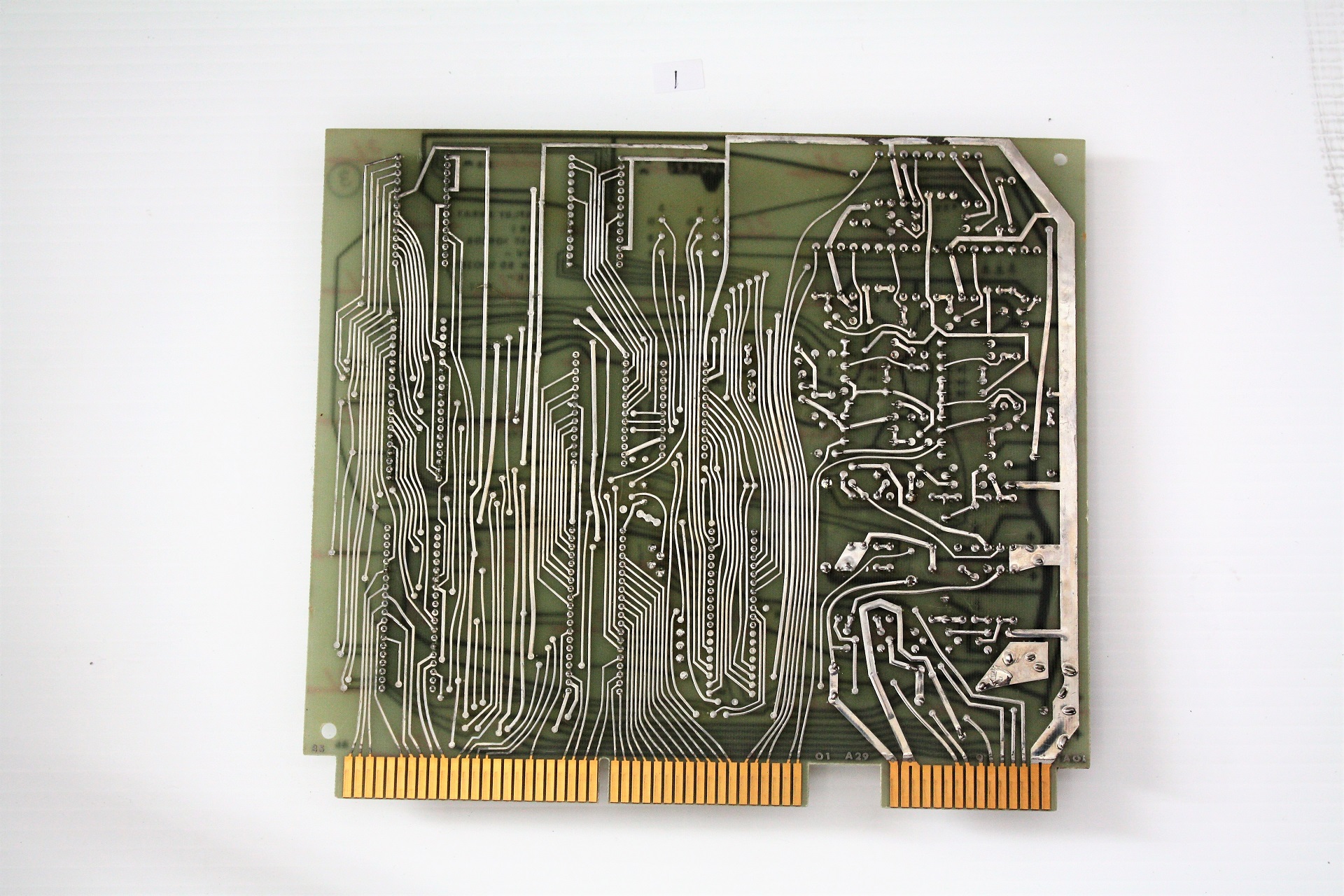
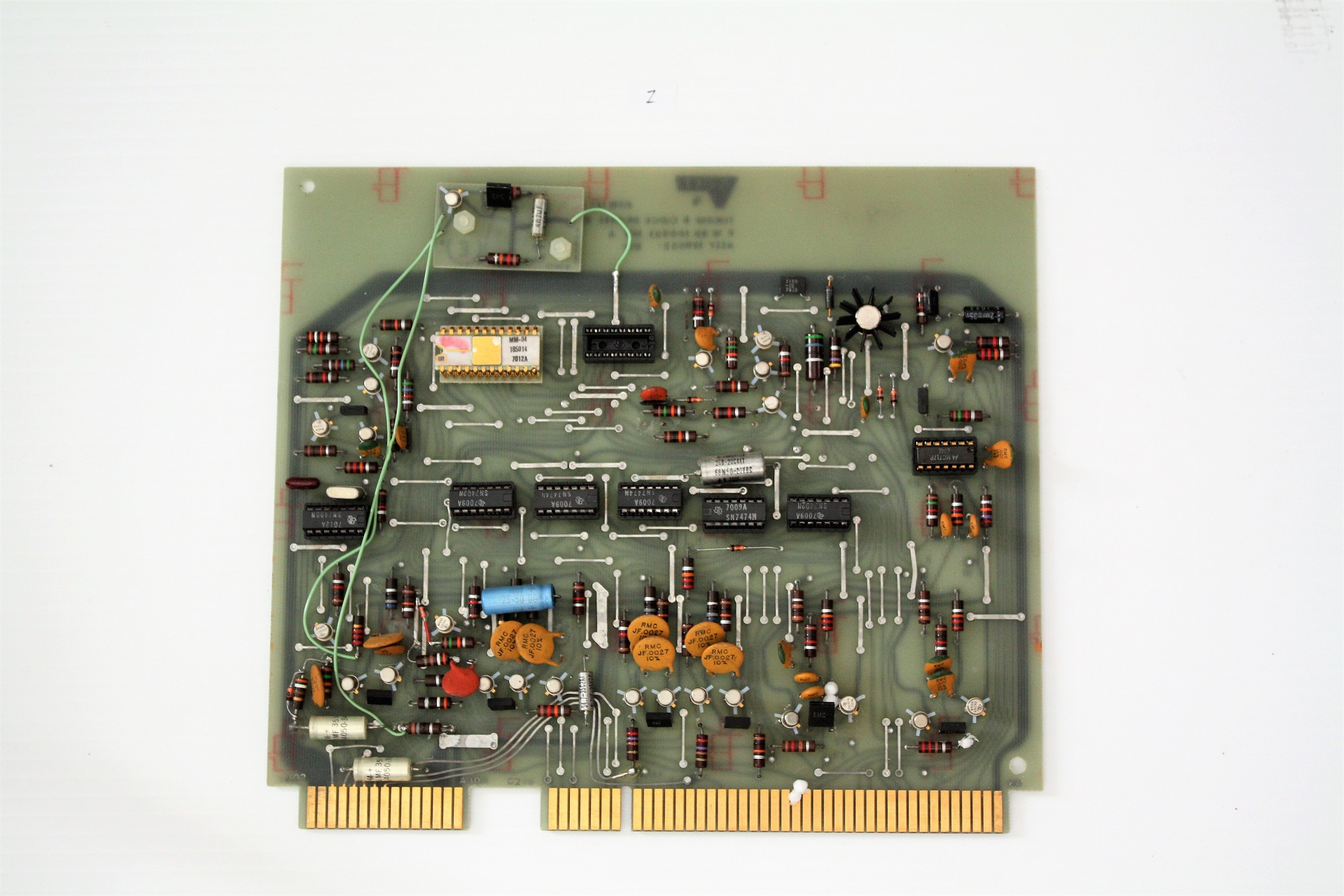
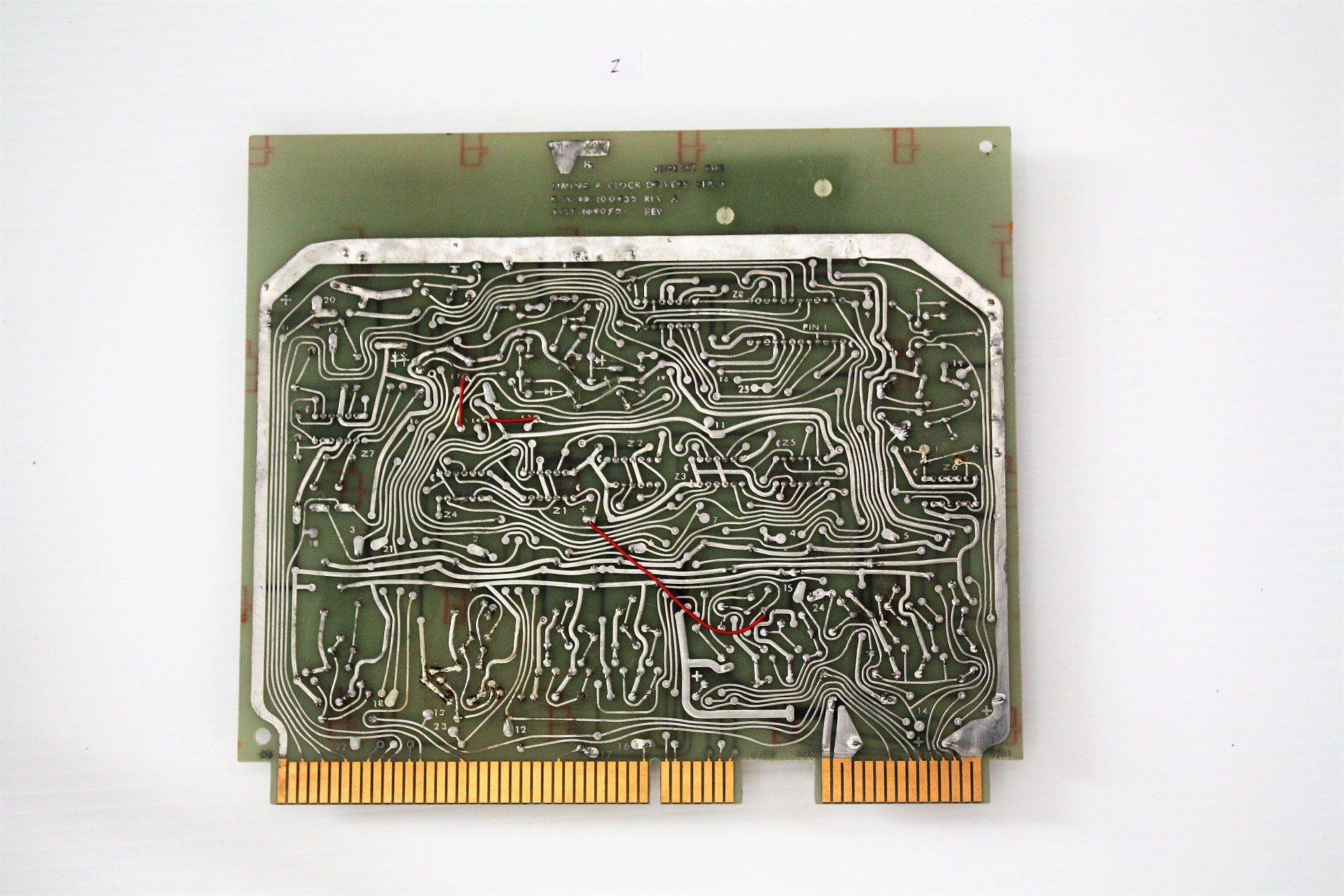
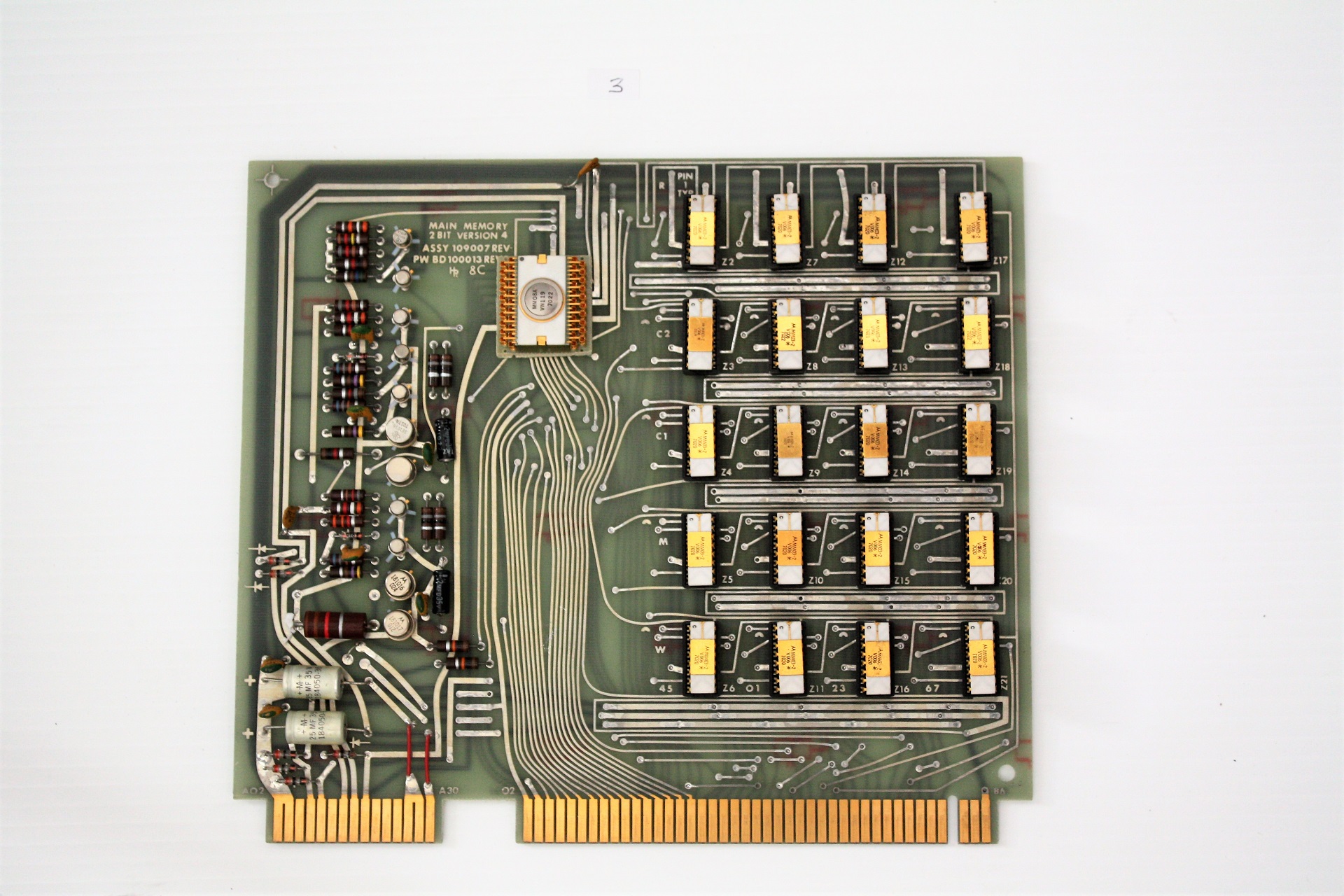
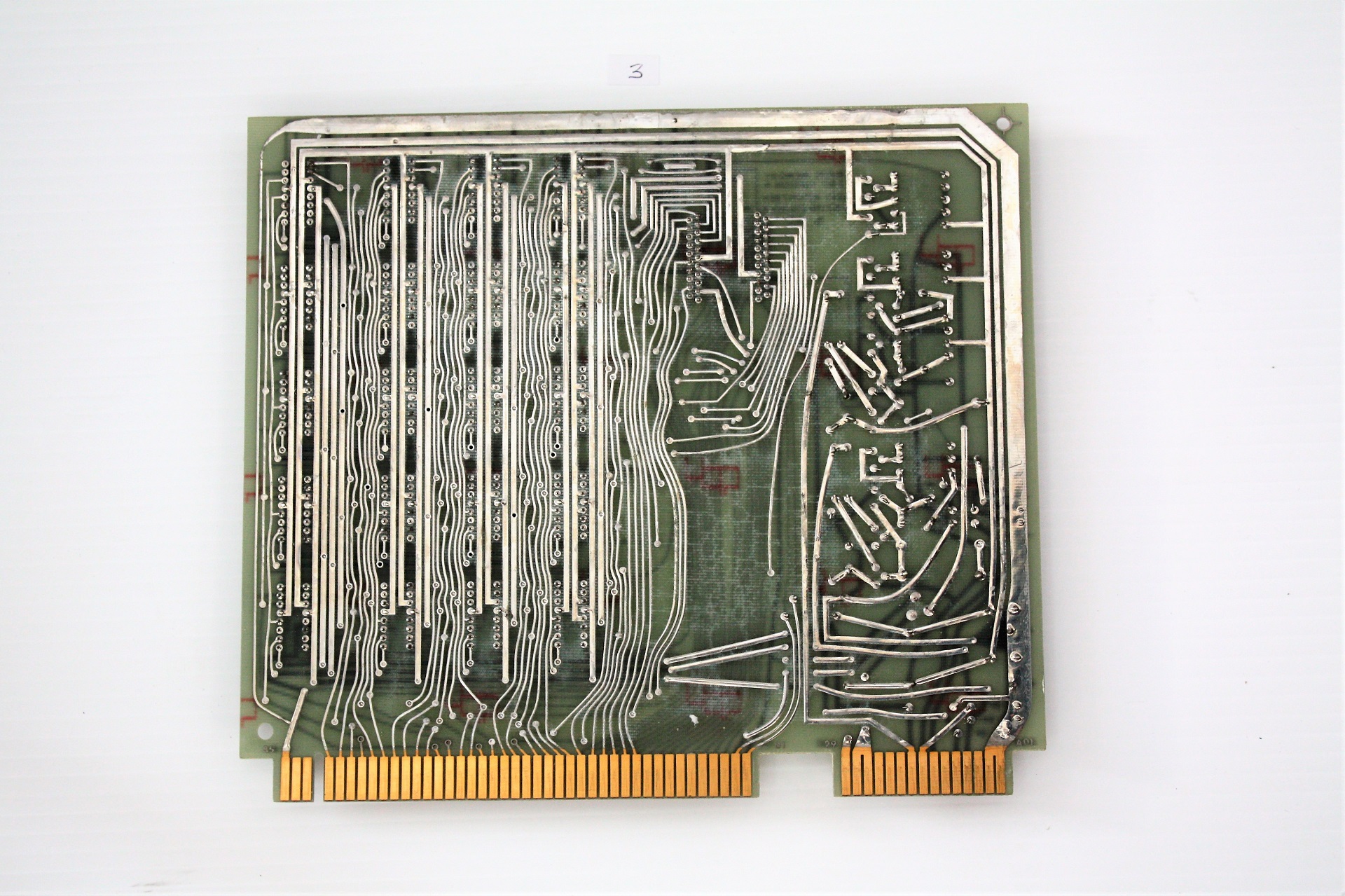
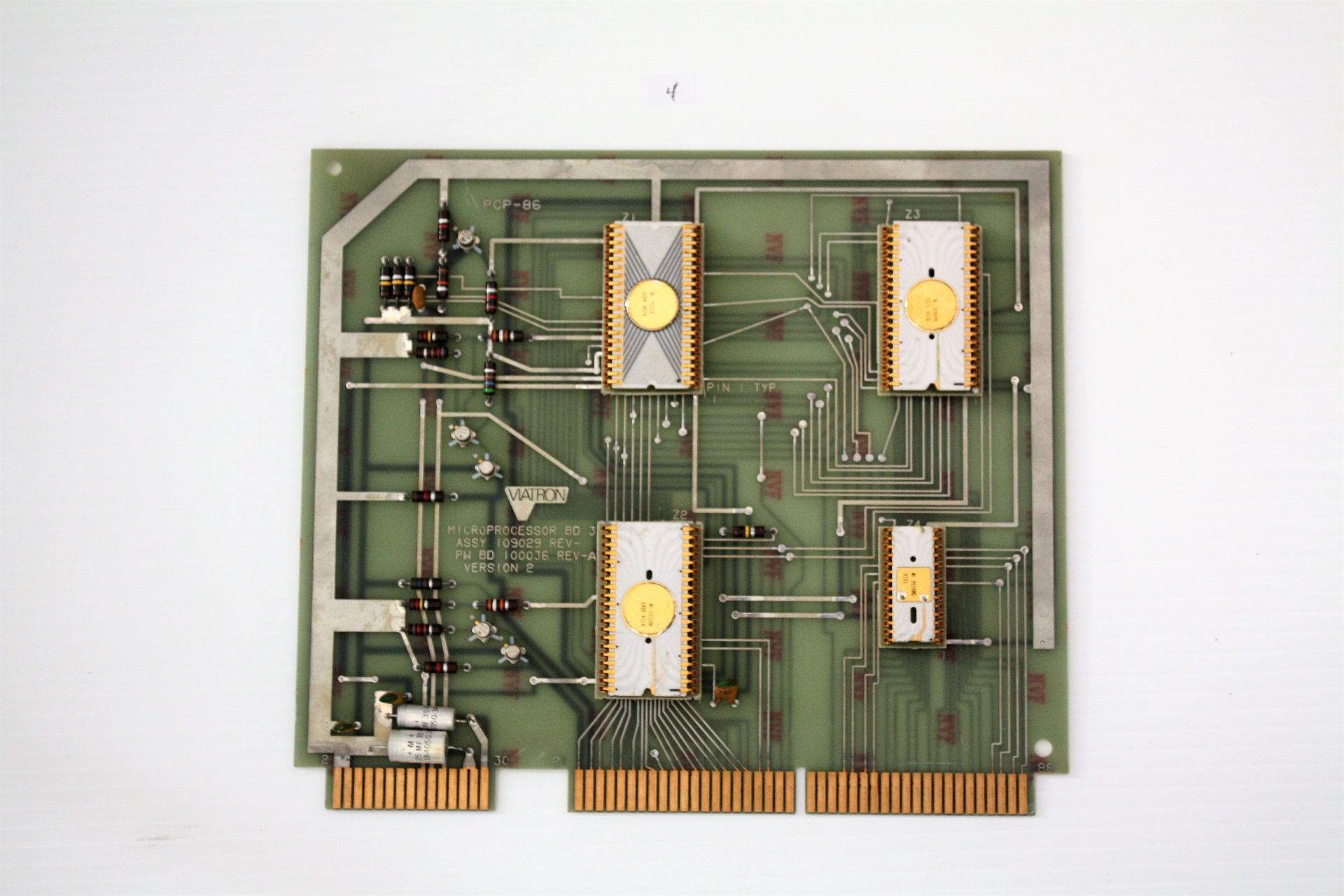
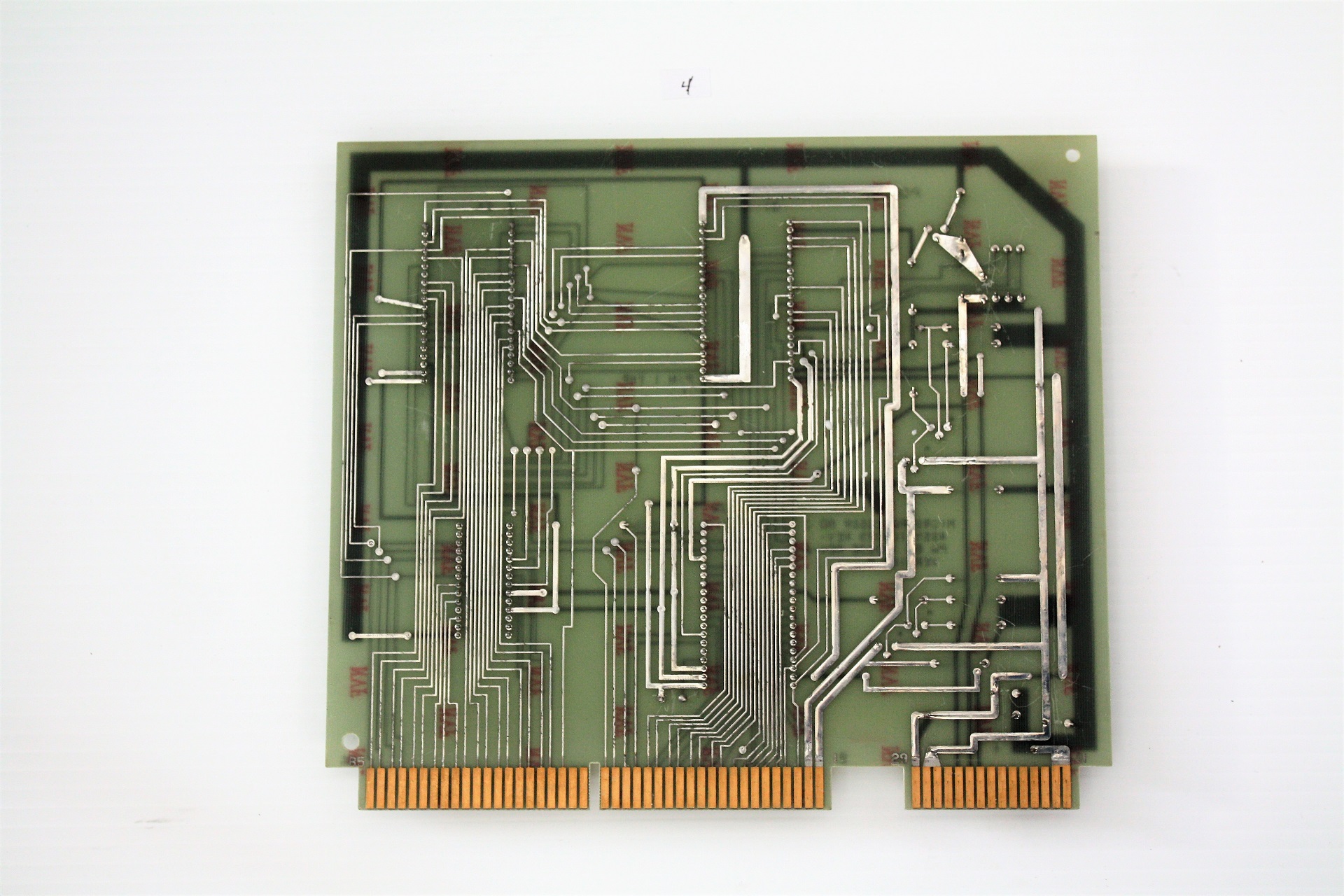
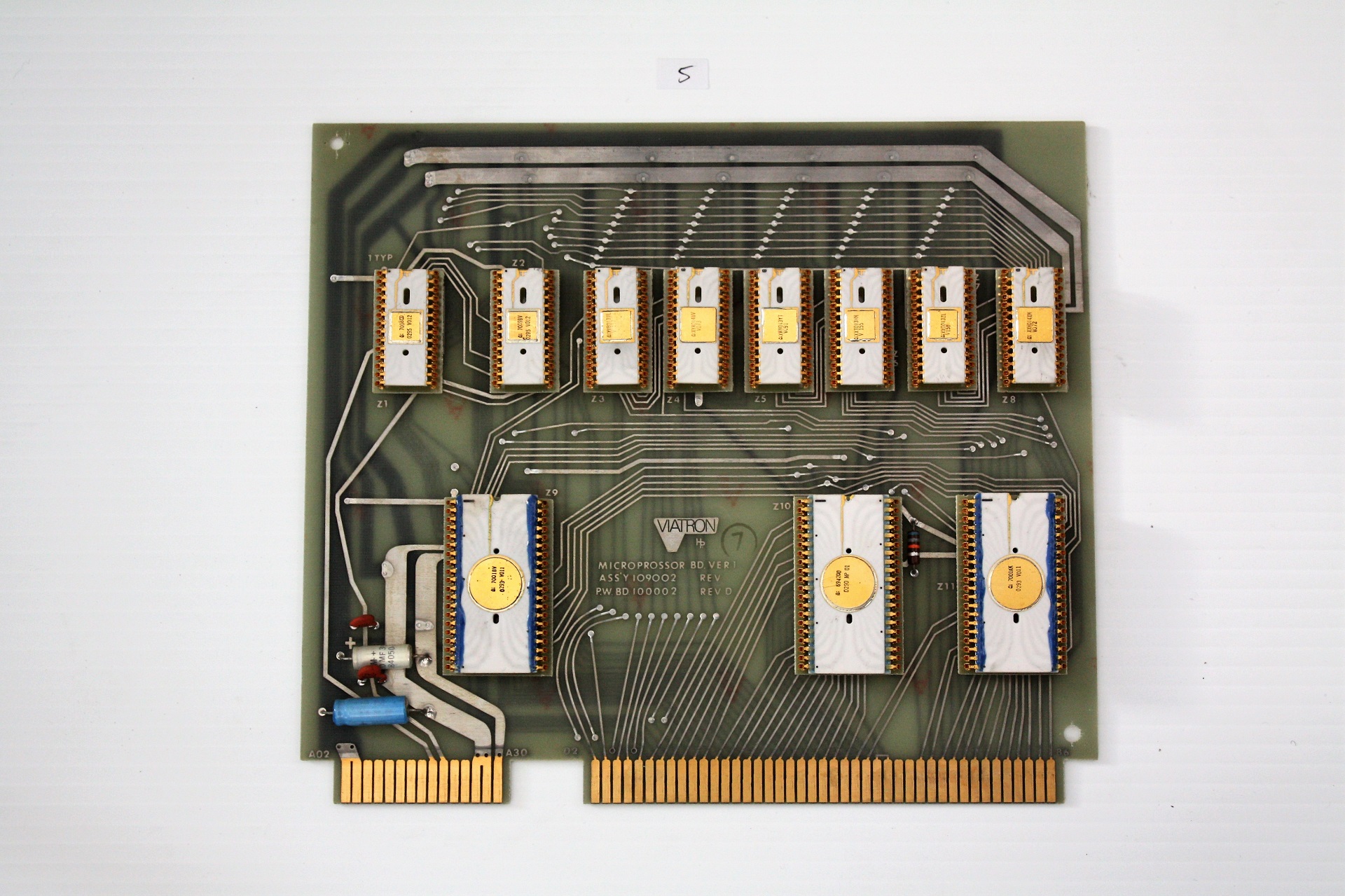
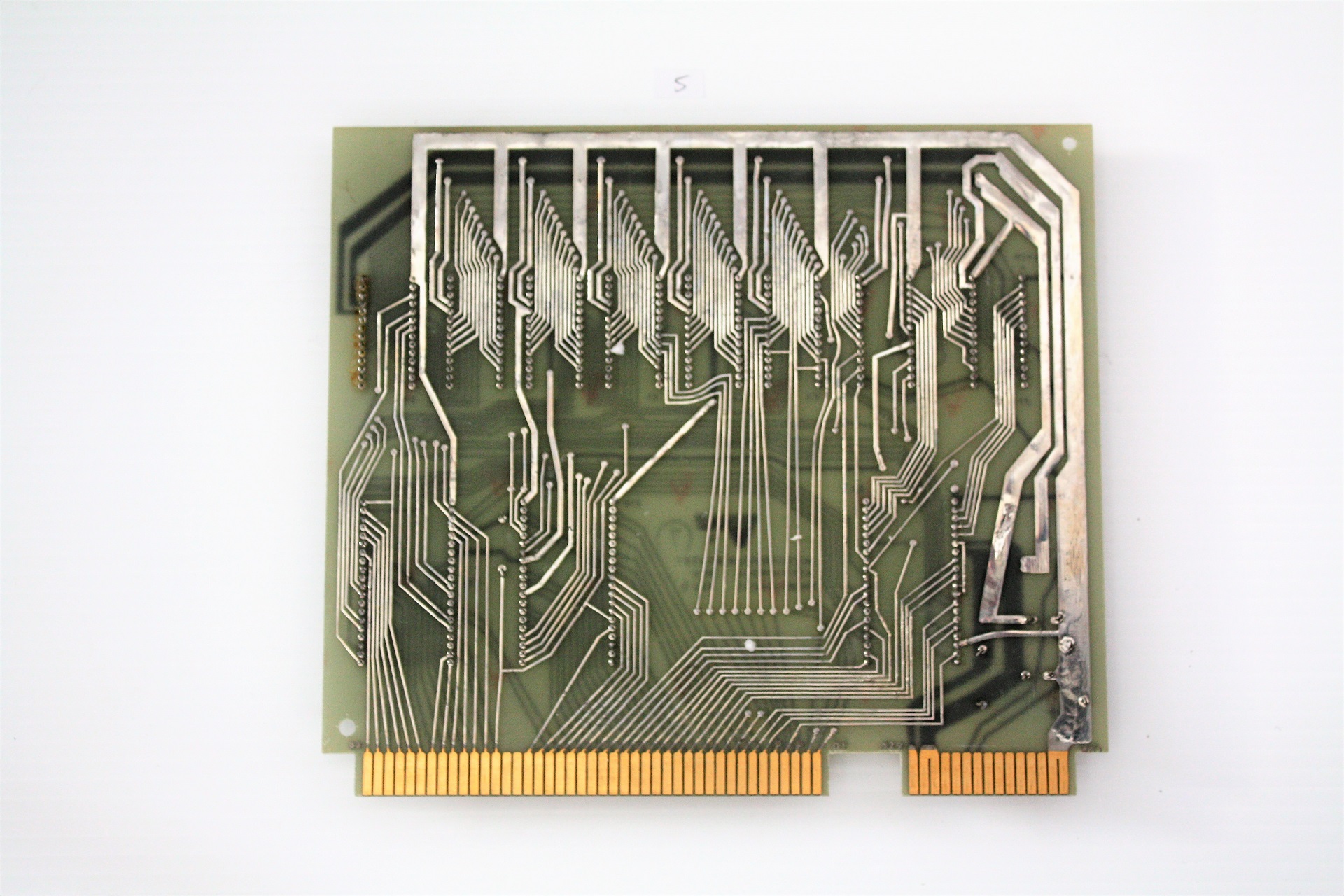
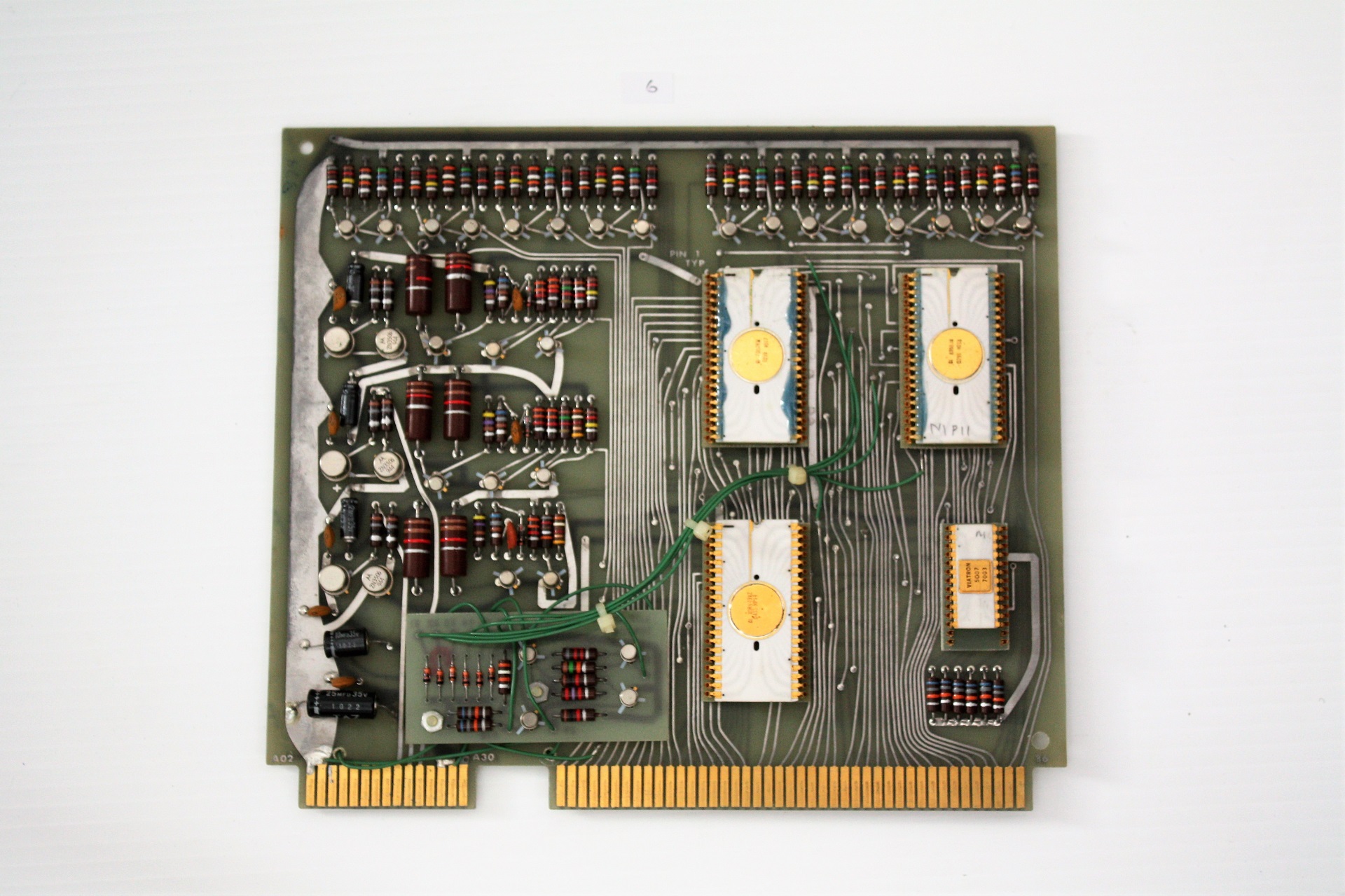
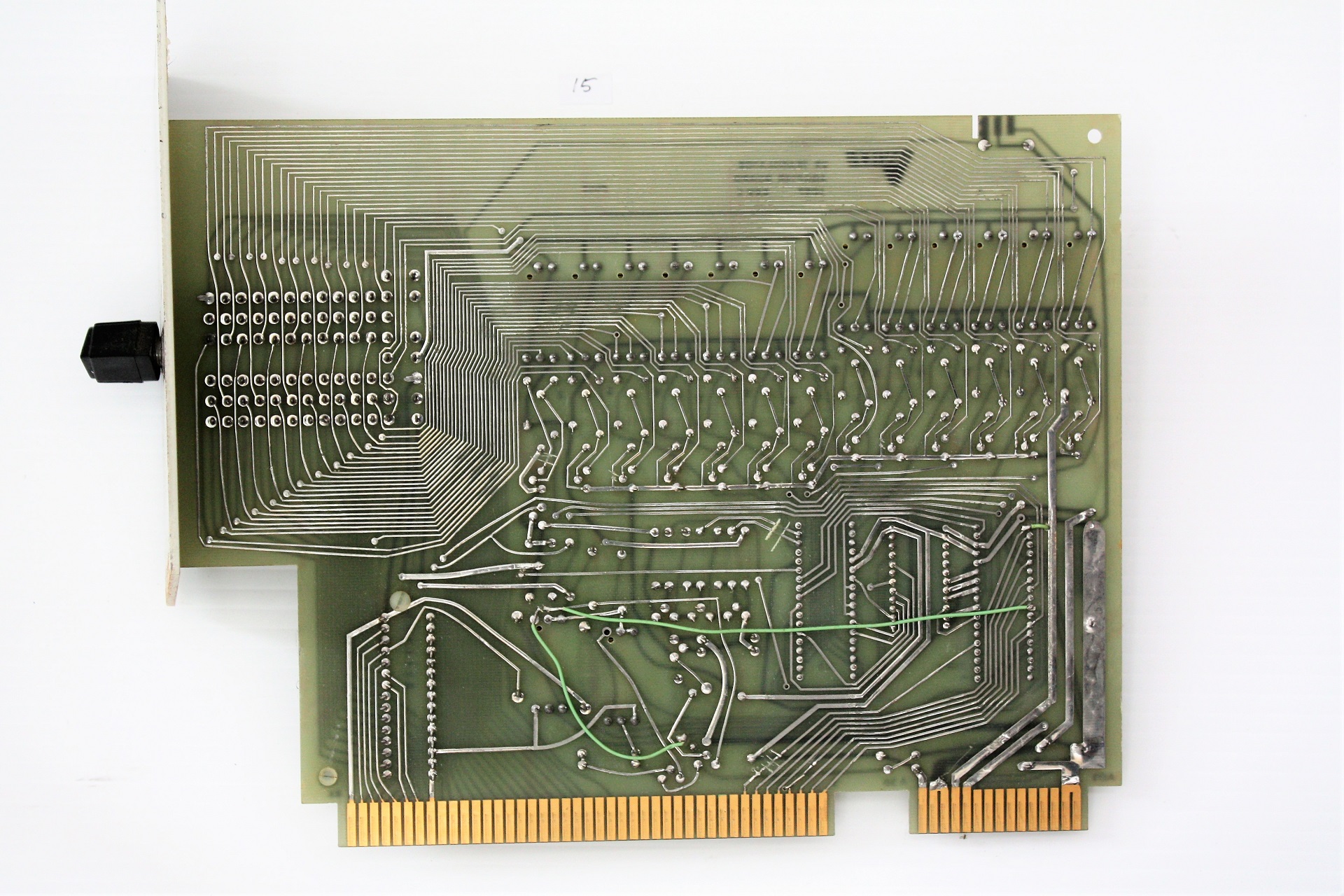
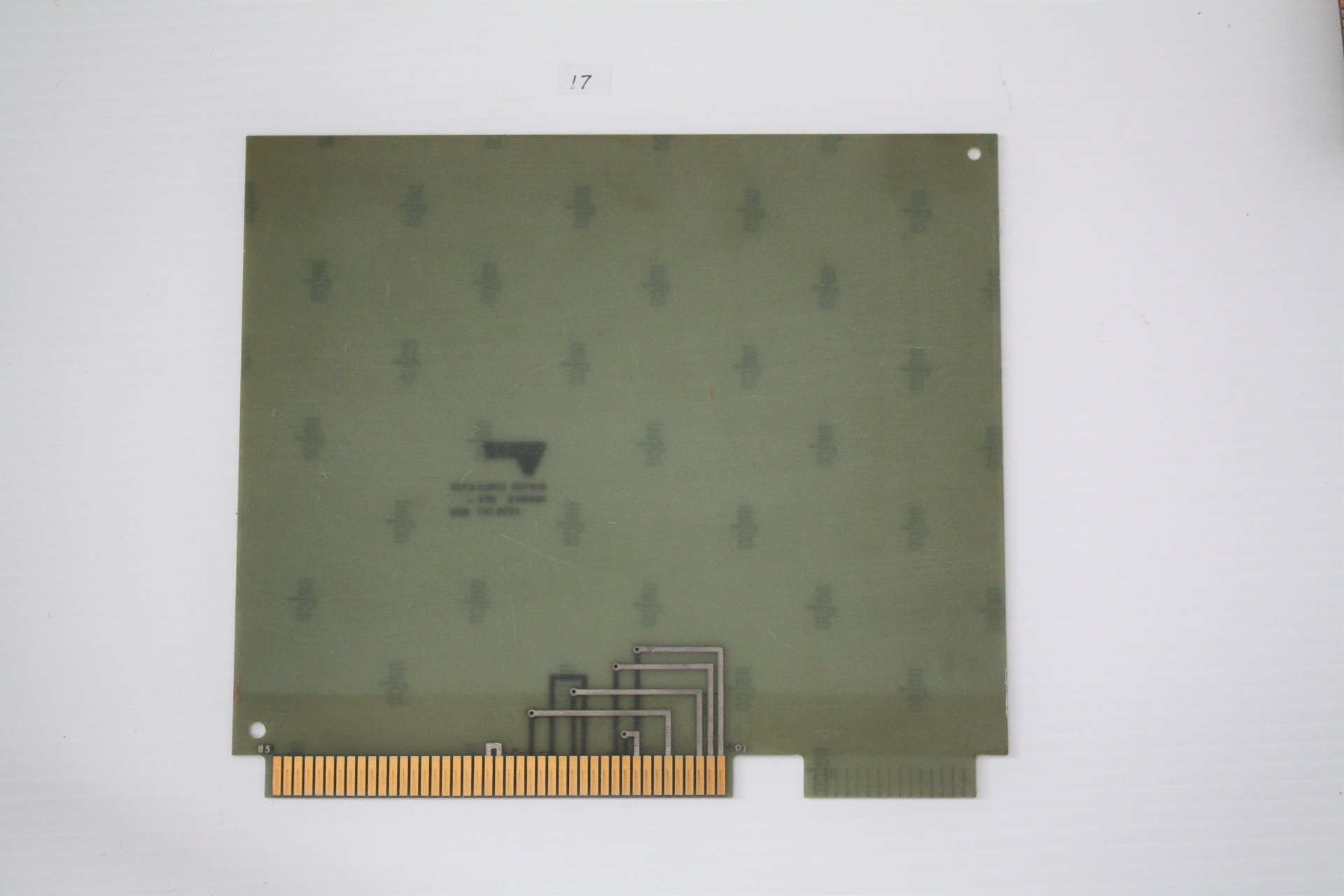
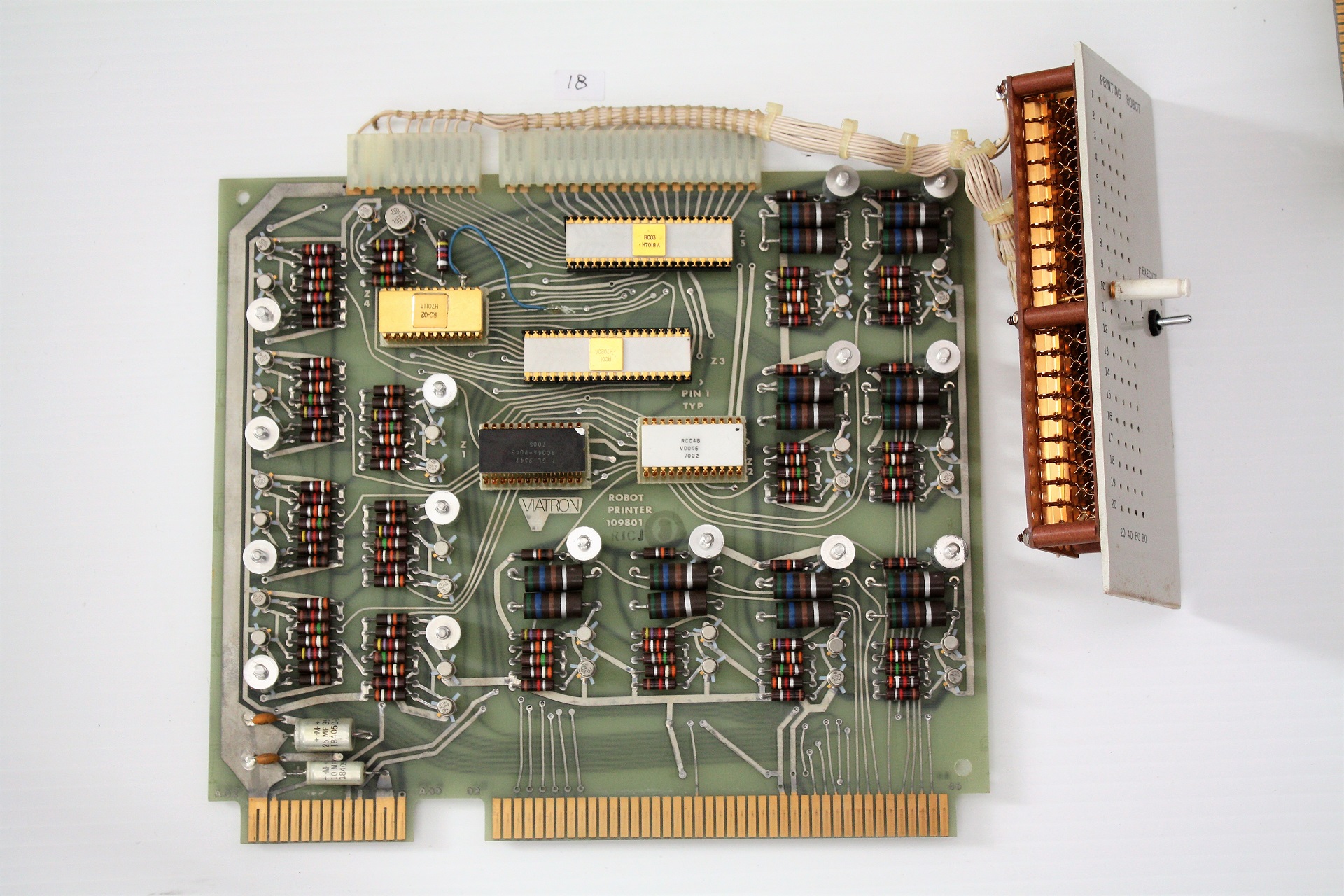
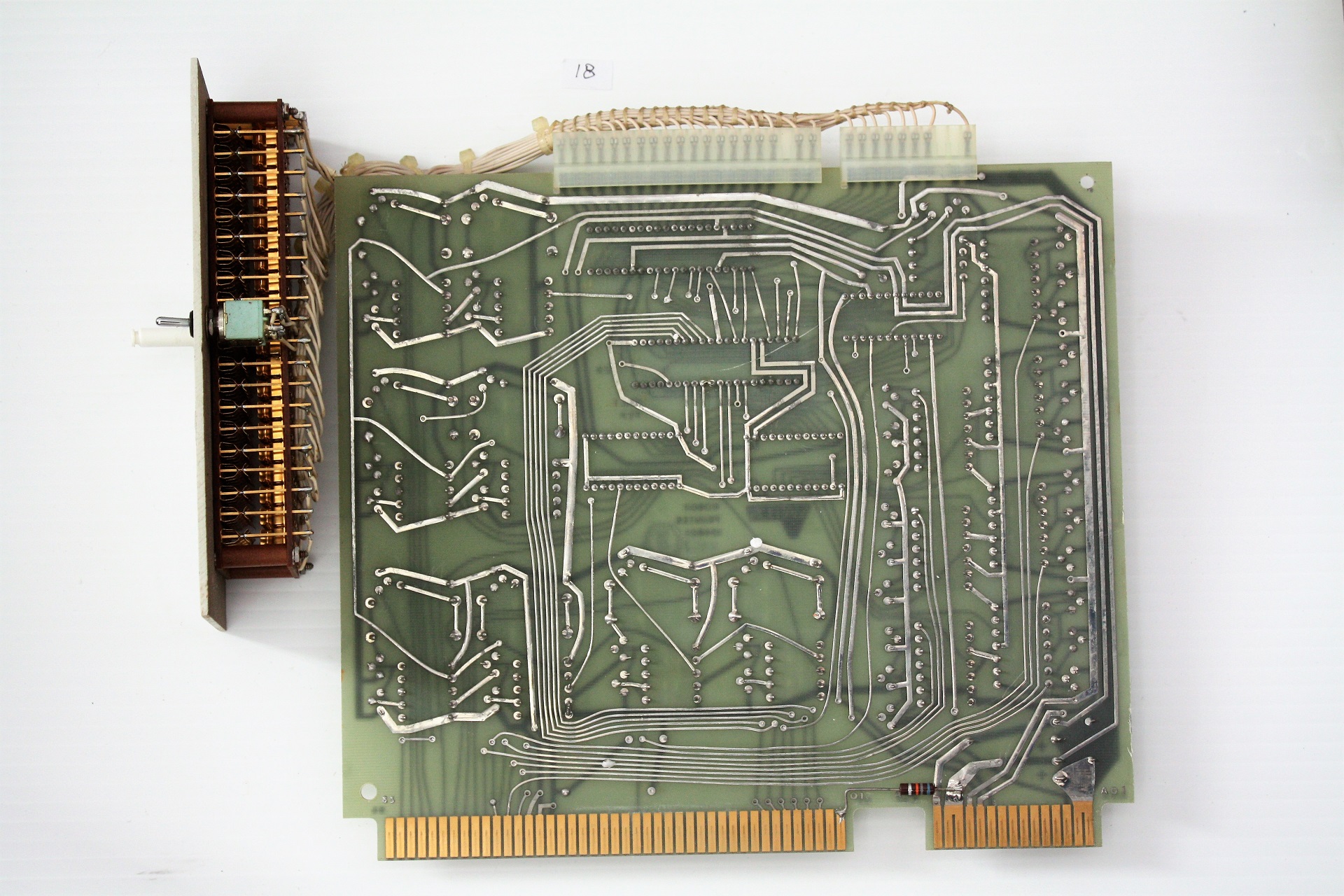
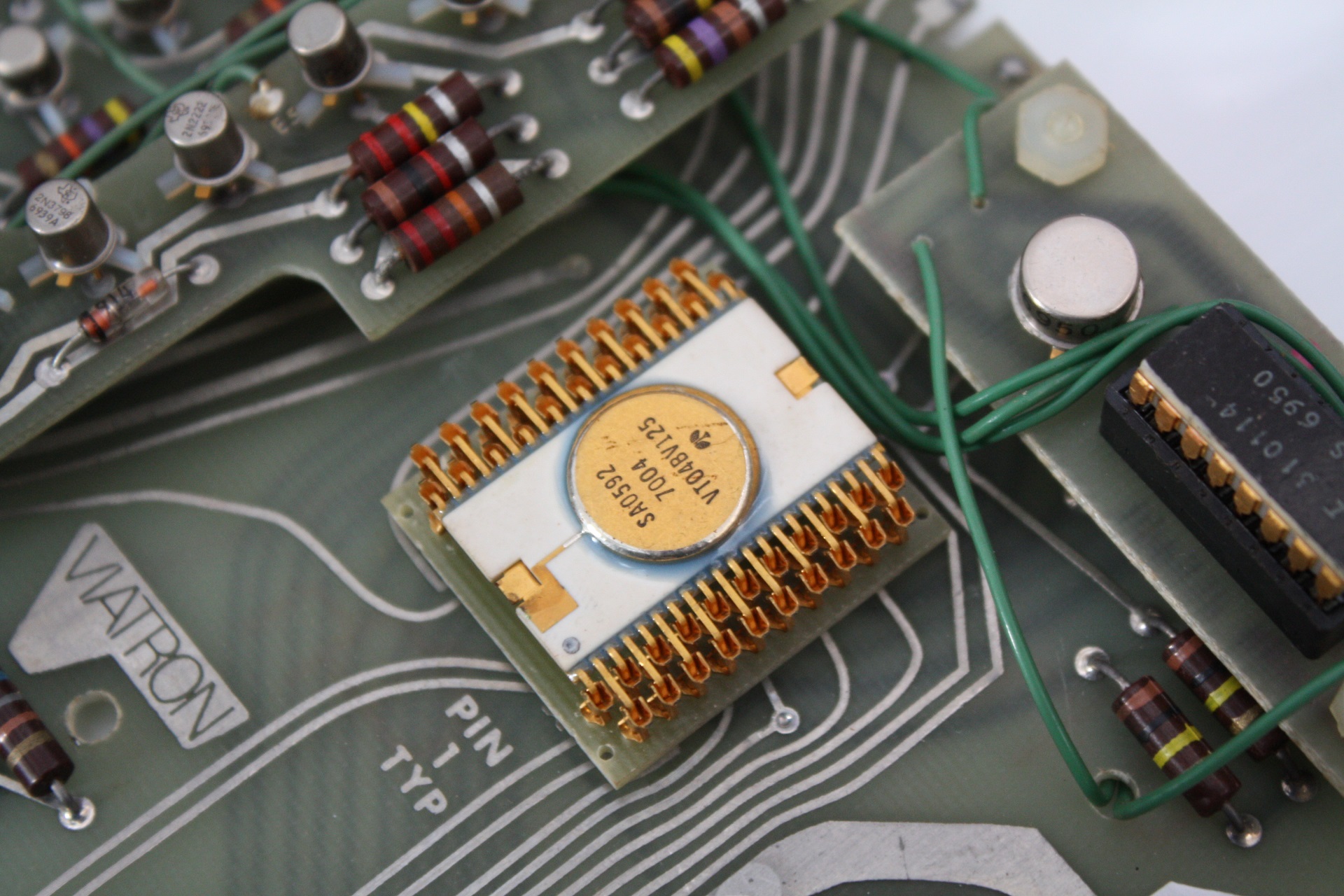
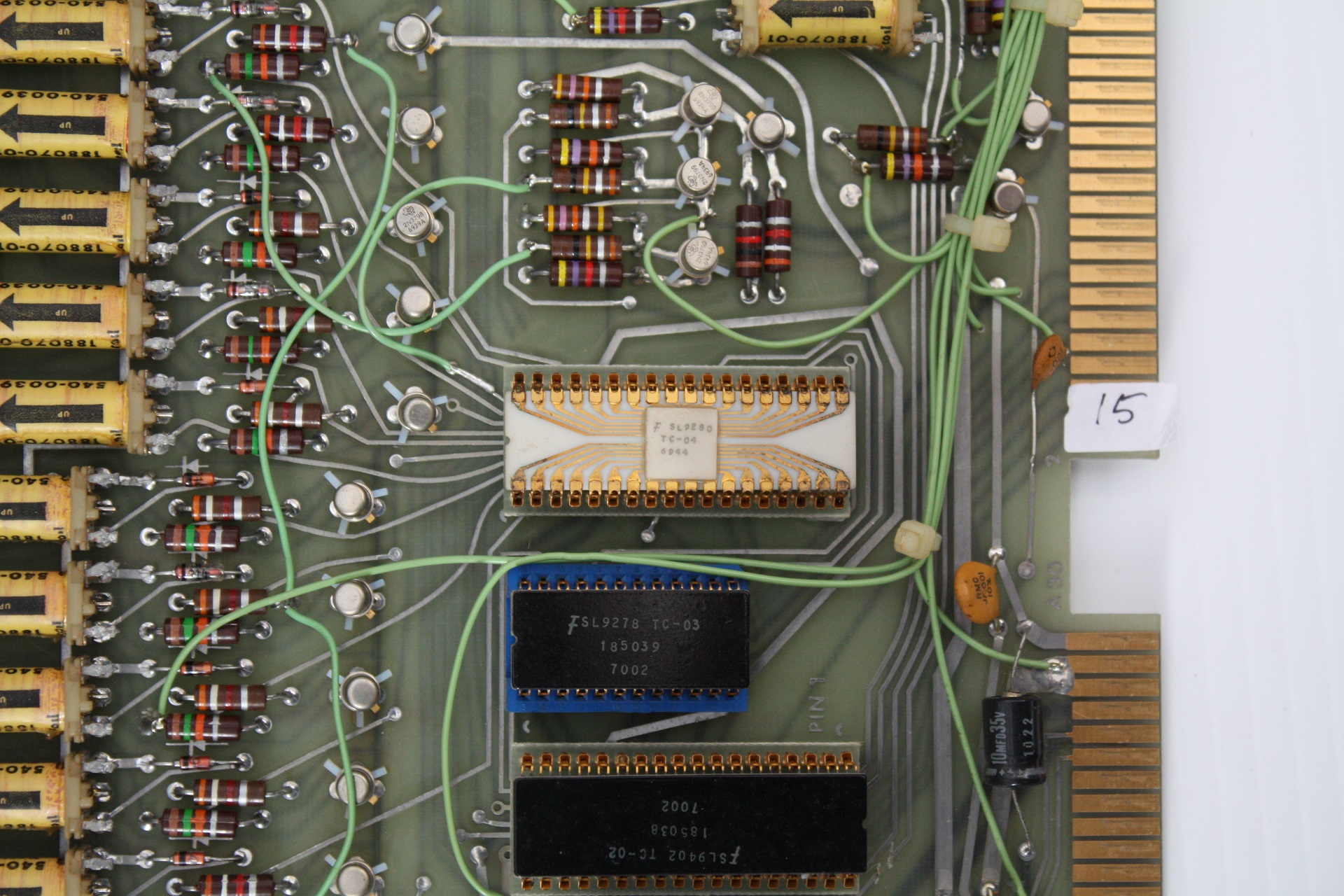
Of special note is the fact that this terminal, designed in 1968, was the first device to use the term “microprocessor”. Today, we think of this term as a single chip CPU device. In this case, there are actually two “microprocessor” boards with a variety of chips on them. They are pictured below with all of the other internal cards. This particular example was built in early 1970 given the date stamps on the chips.
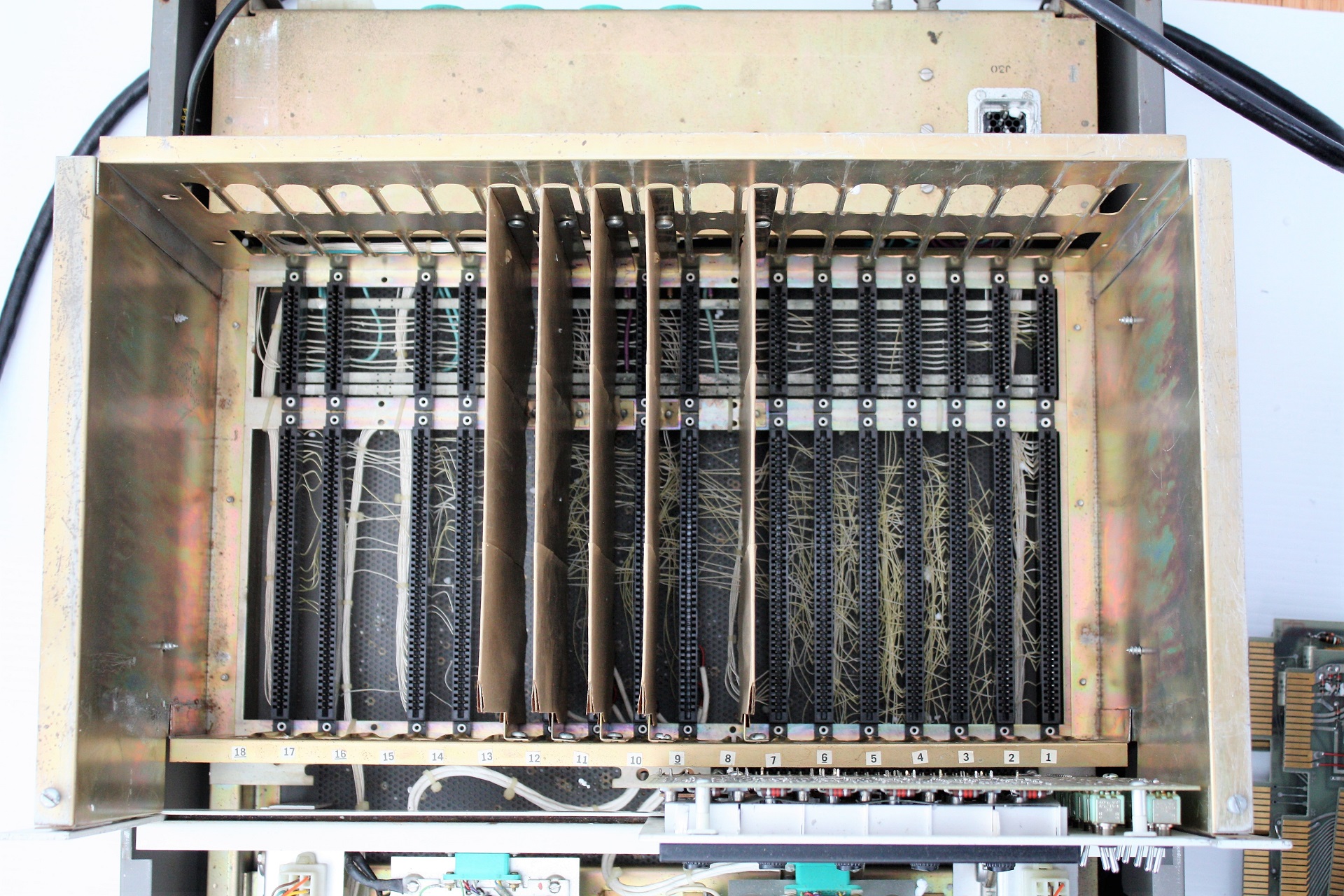
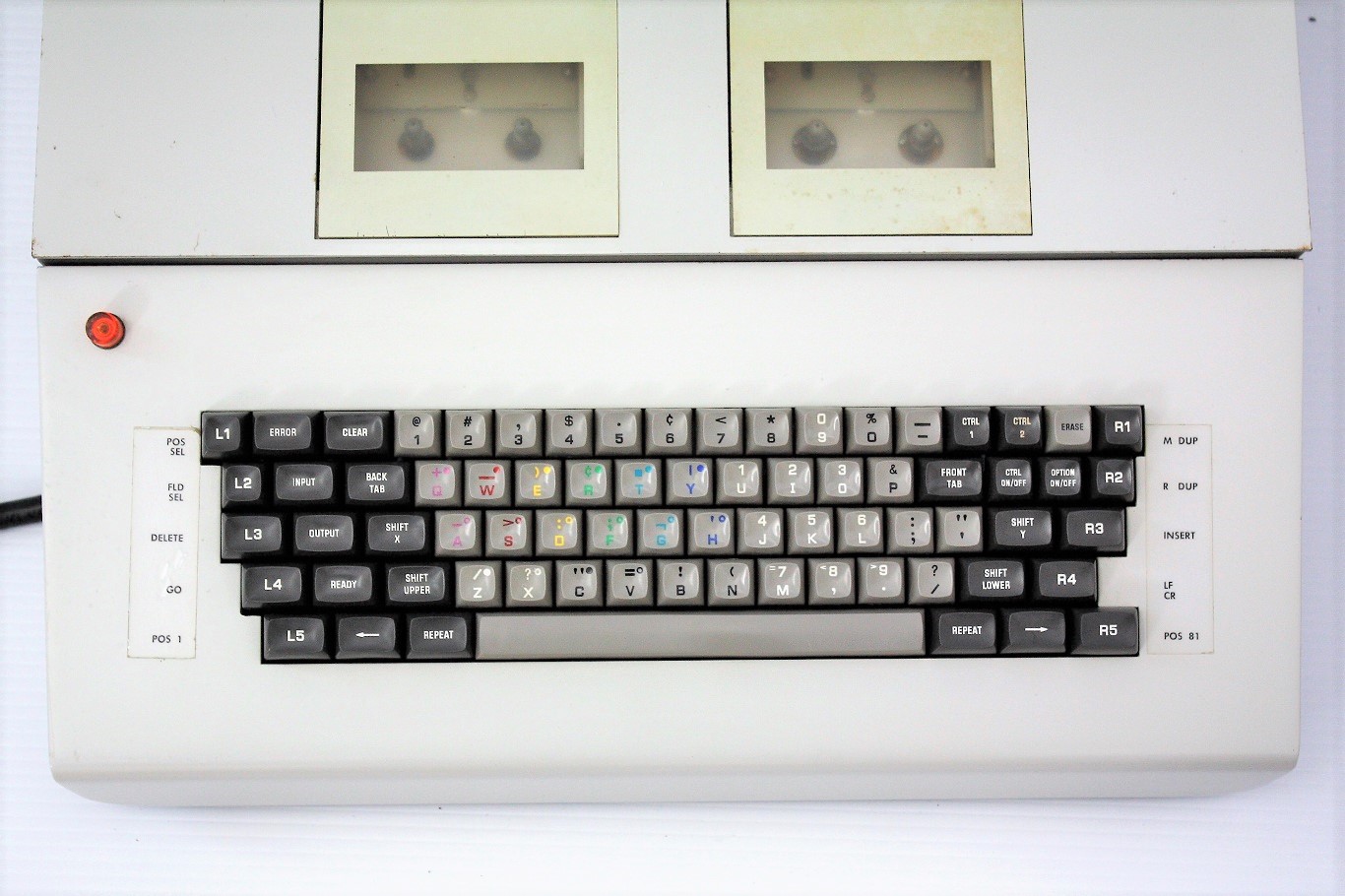
Pictures of the main unit. Note, these are pictures of how I received the unit (still needed cleaning).
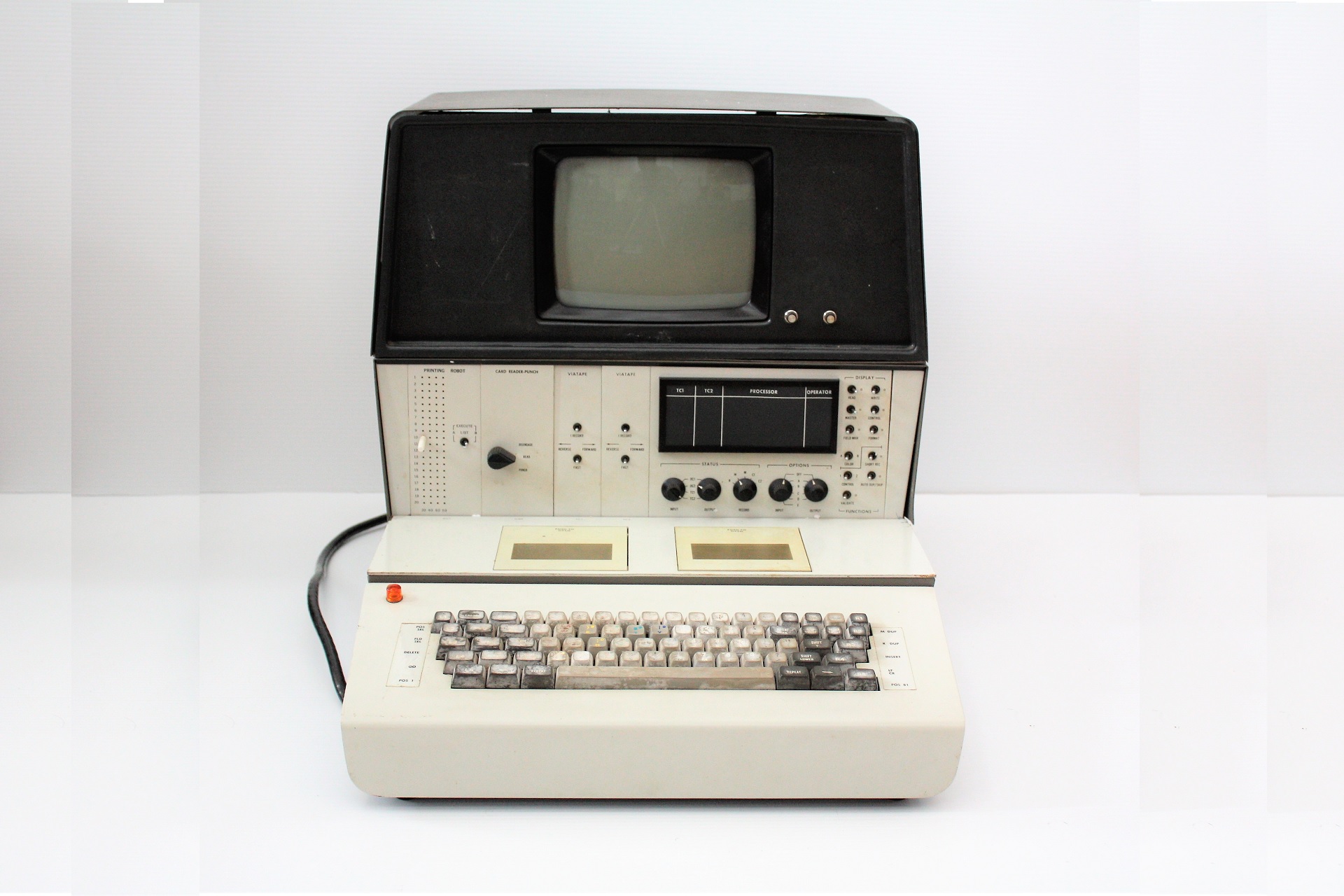

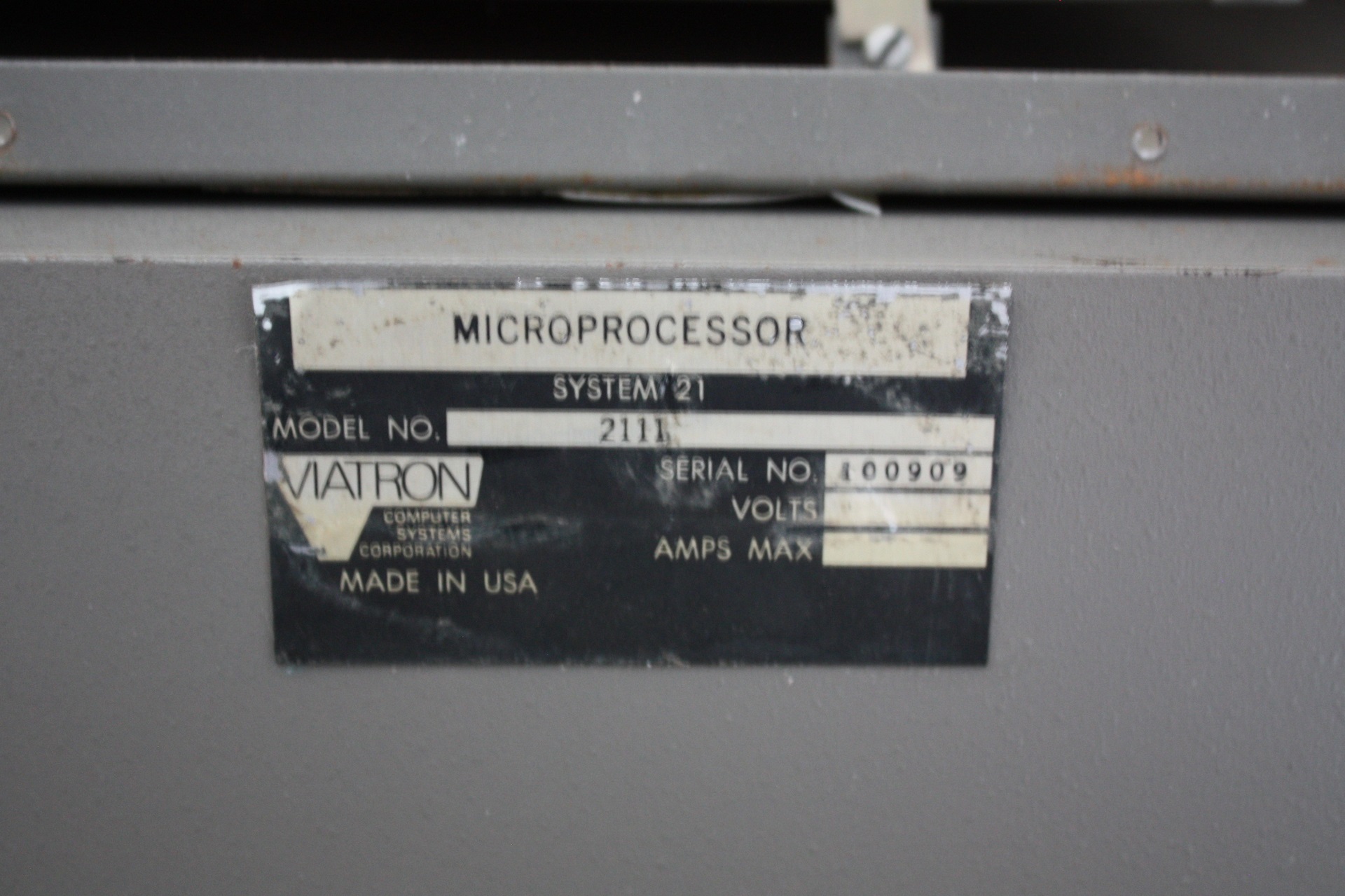
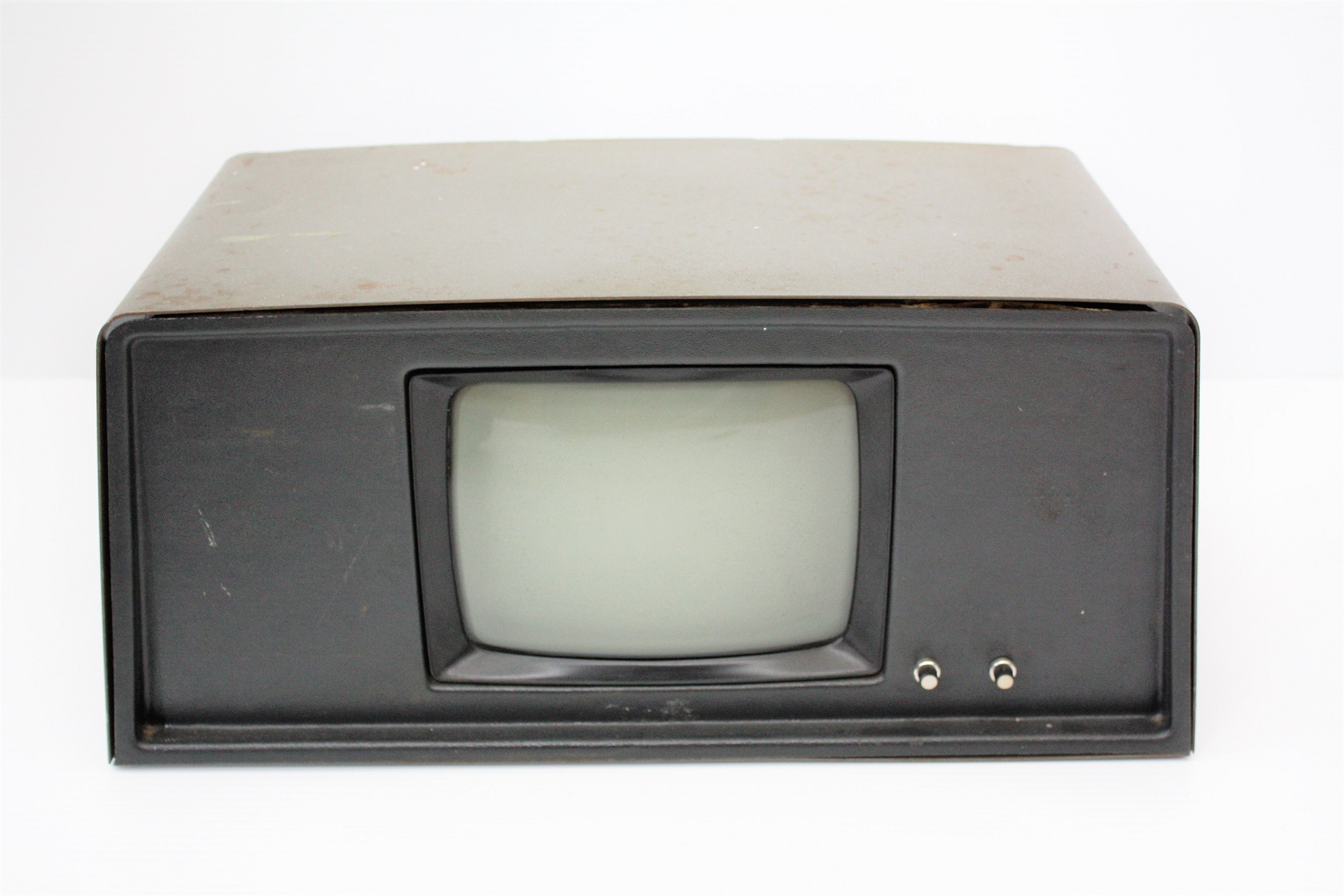


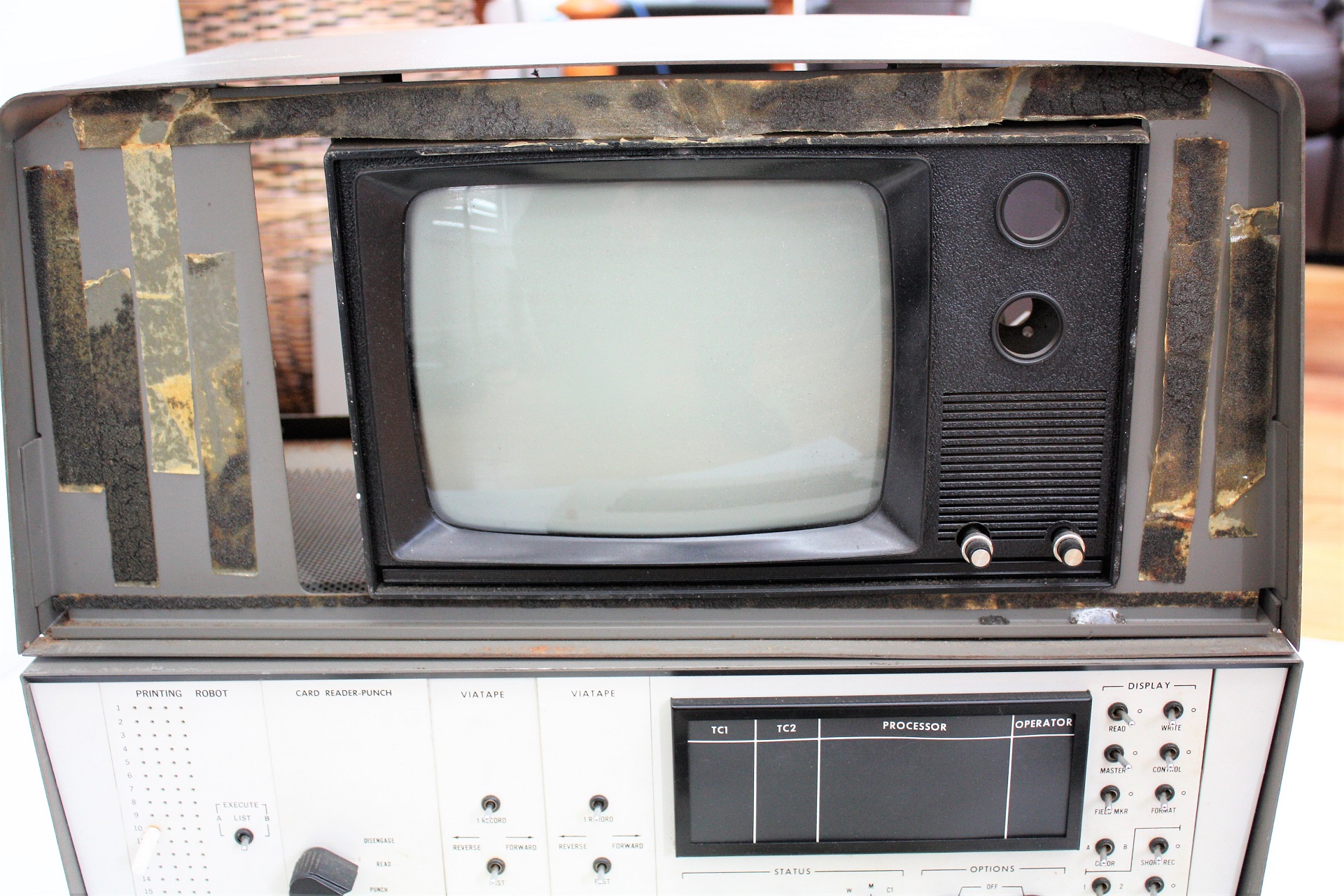

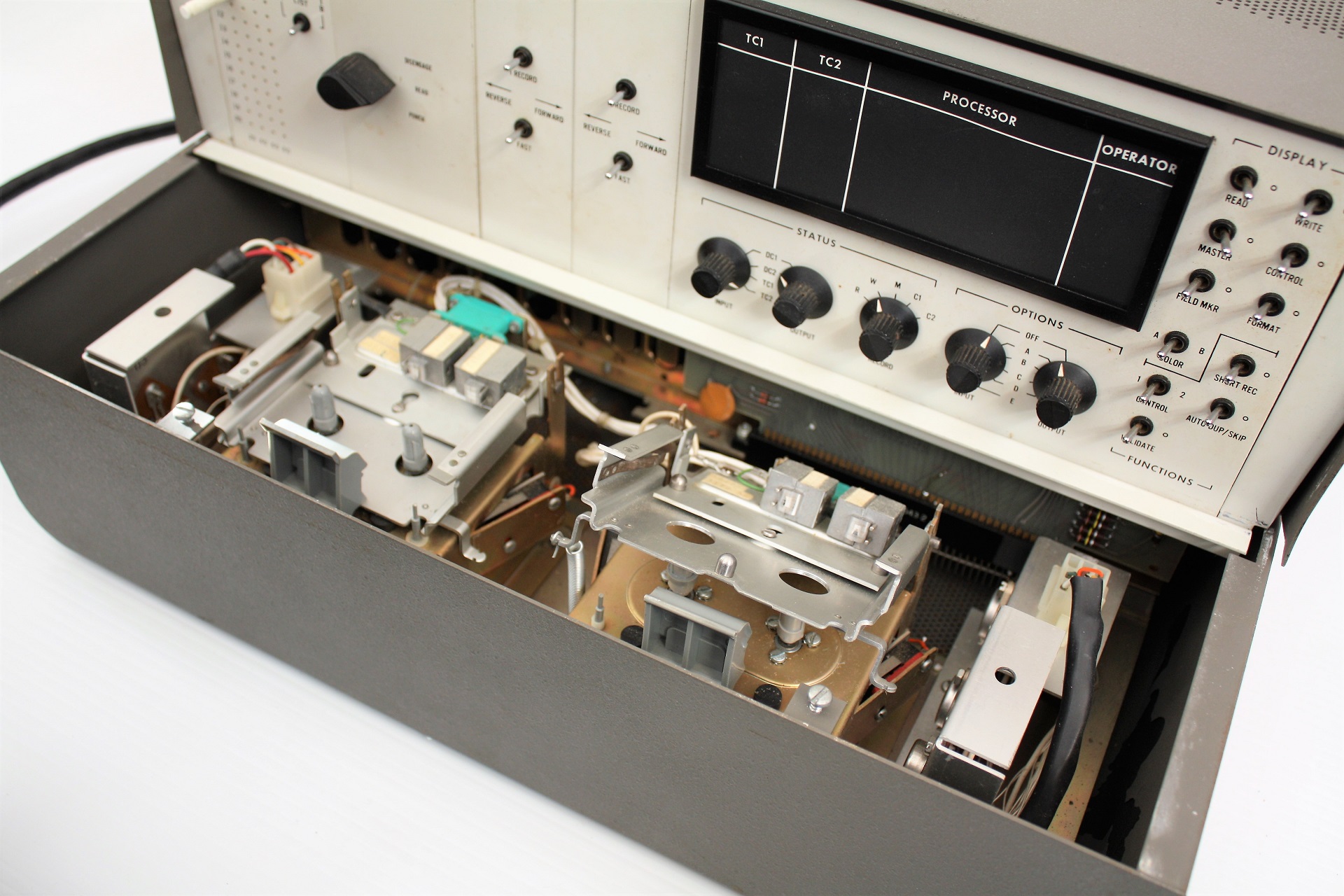
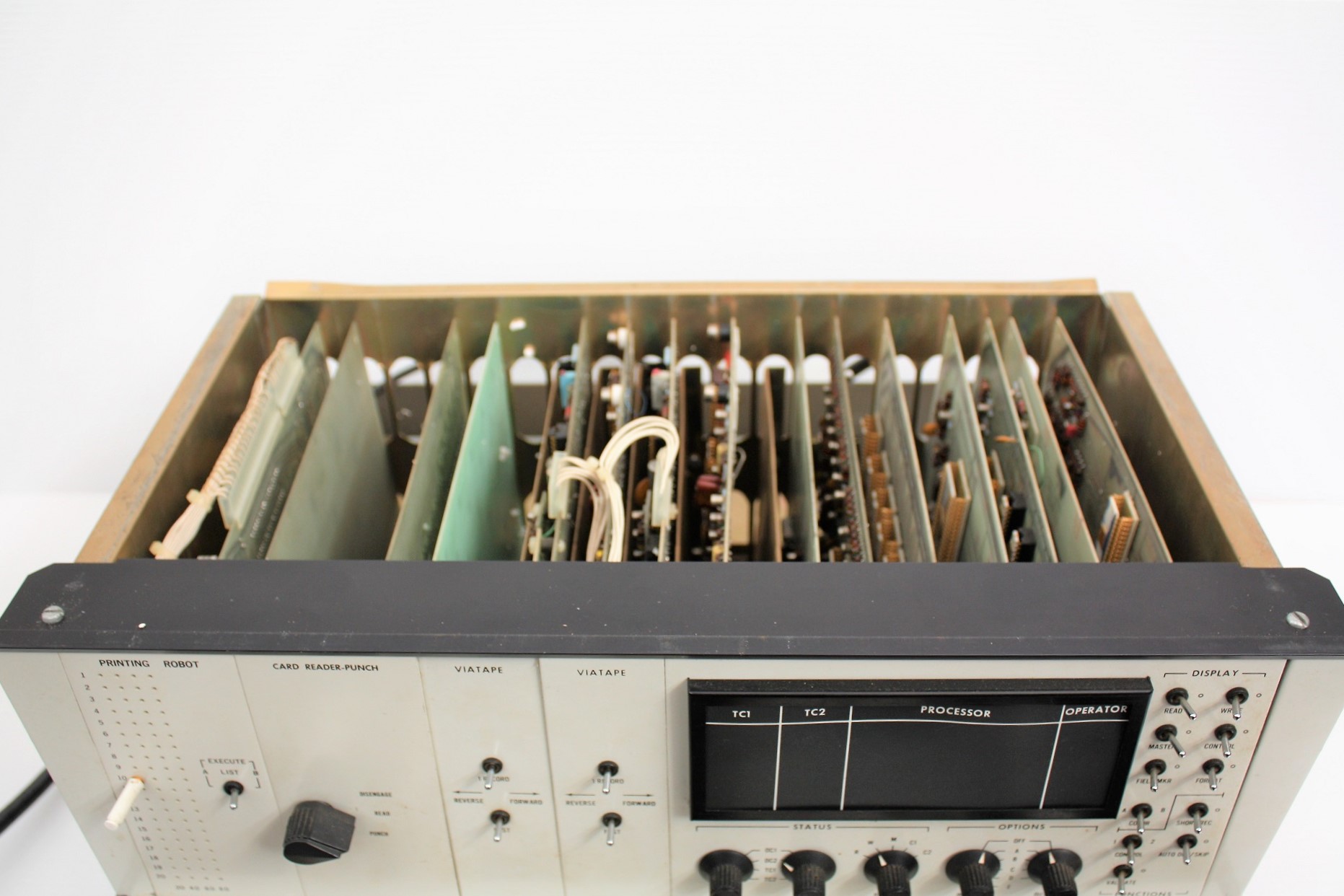
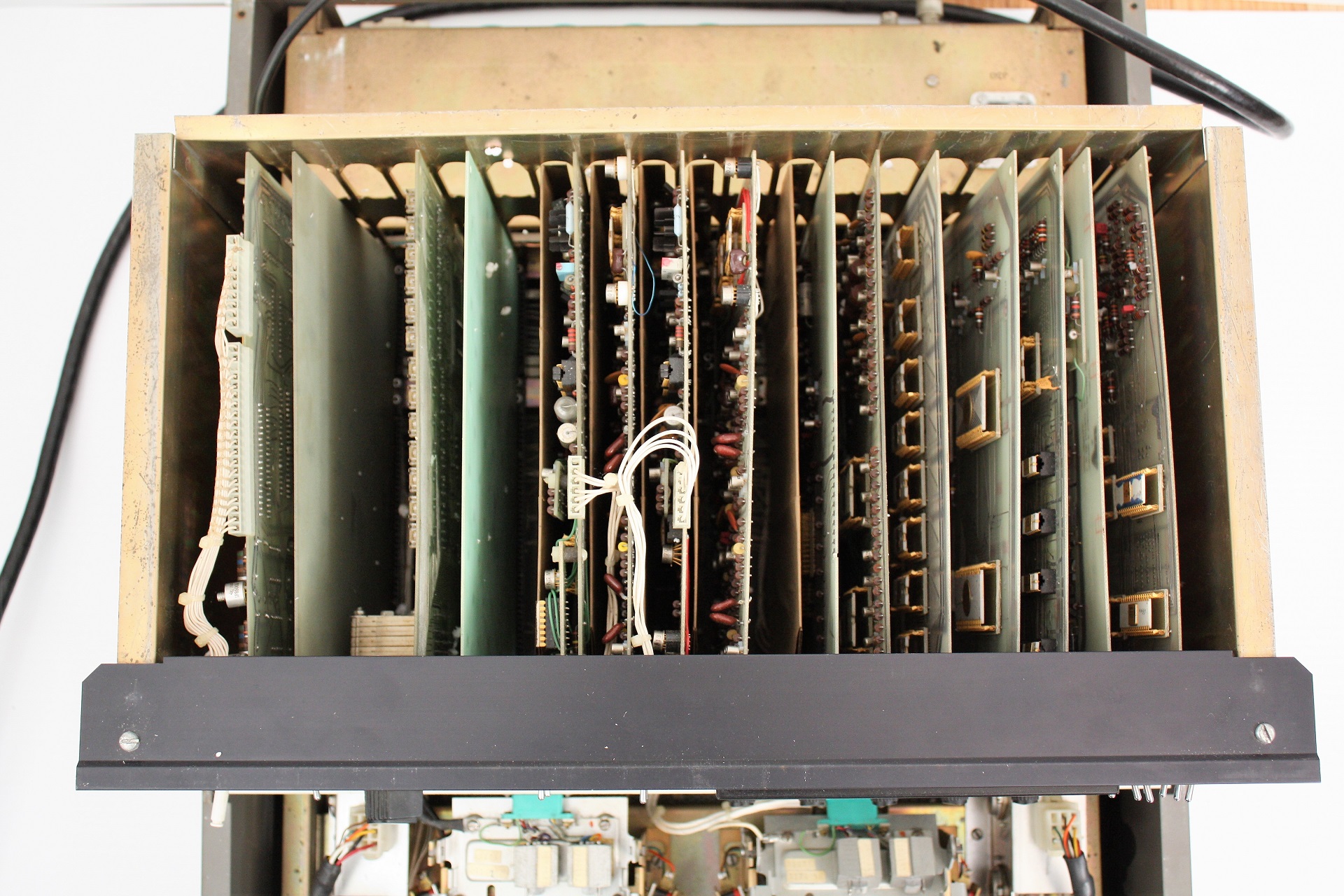
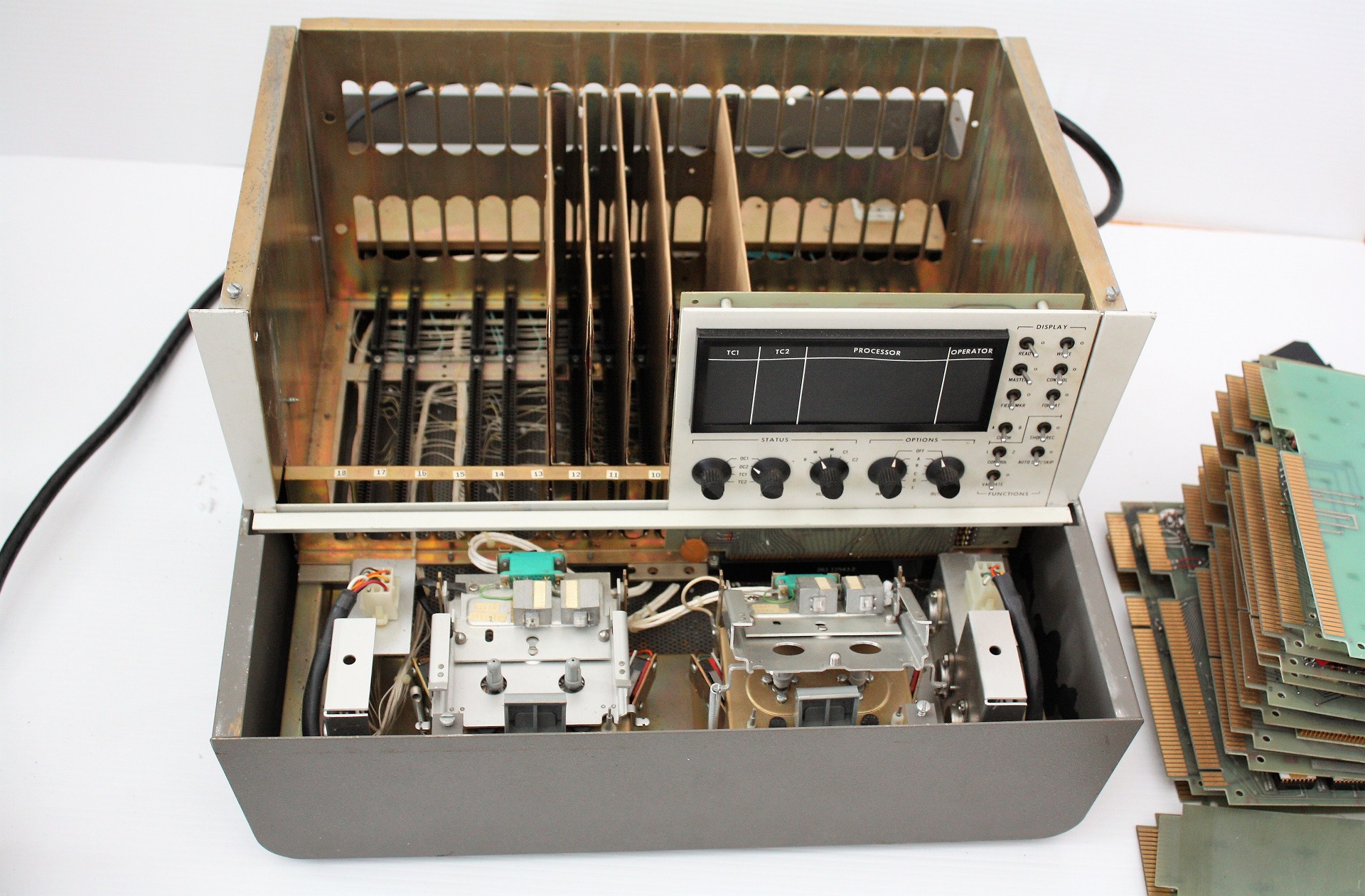

The main unit was actually very clean. The immediate concern was the keyboard as it had this white residue that was chalky like calcium and I wan’t sure if I could get it off without damaging the key caps.
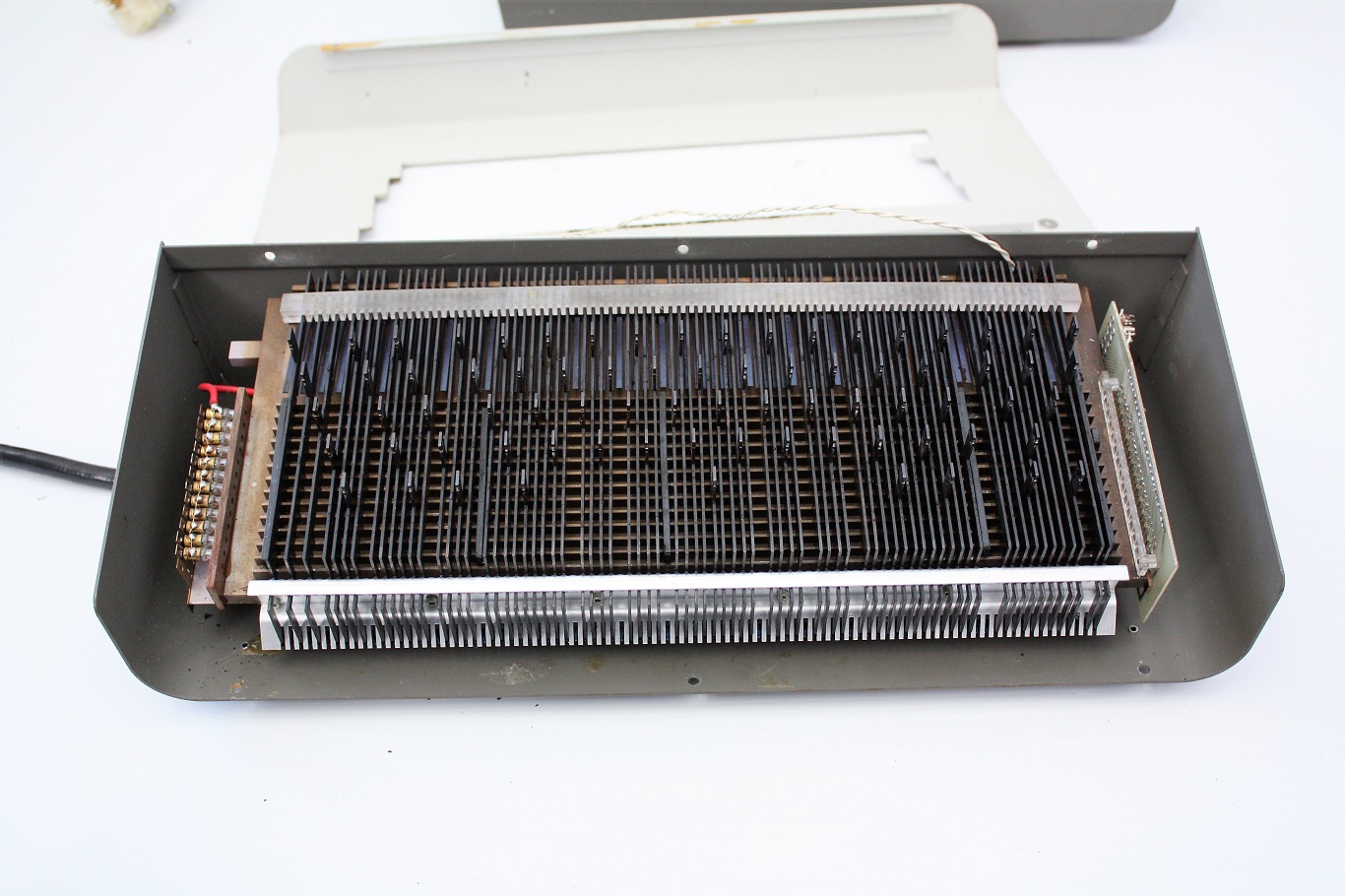
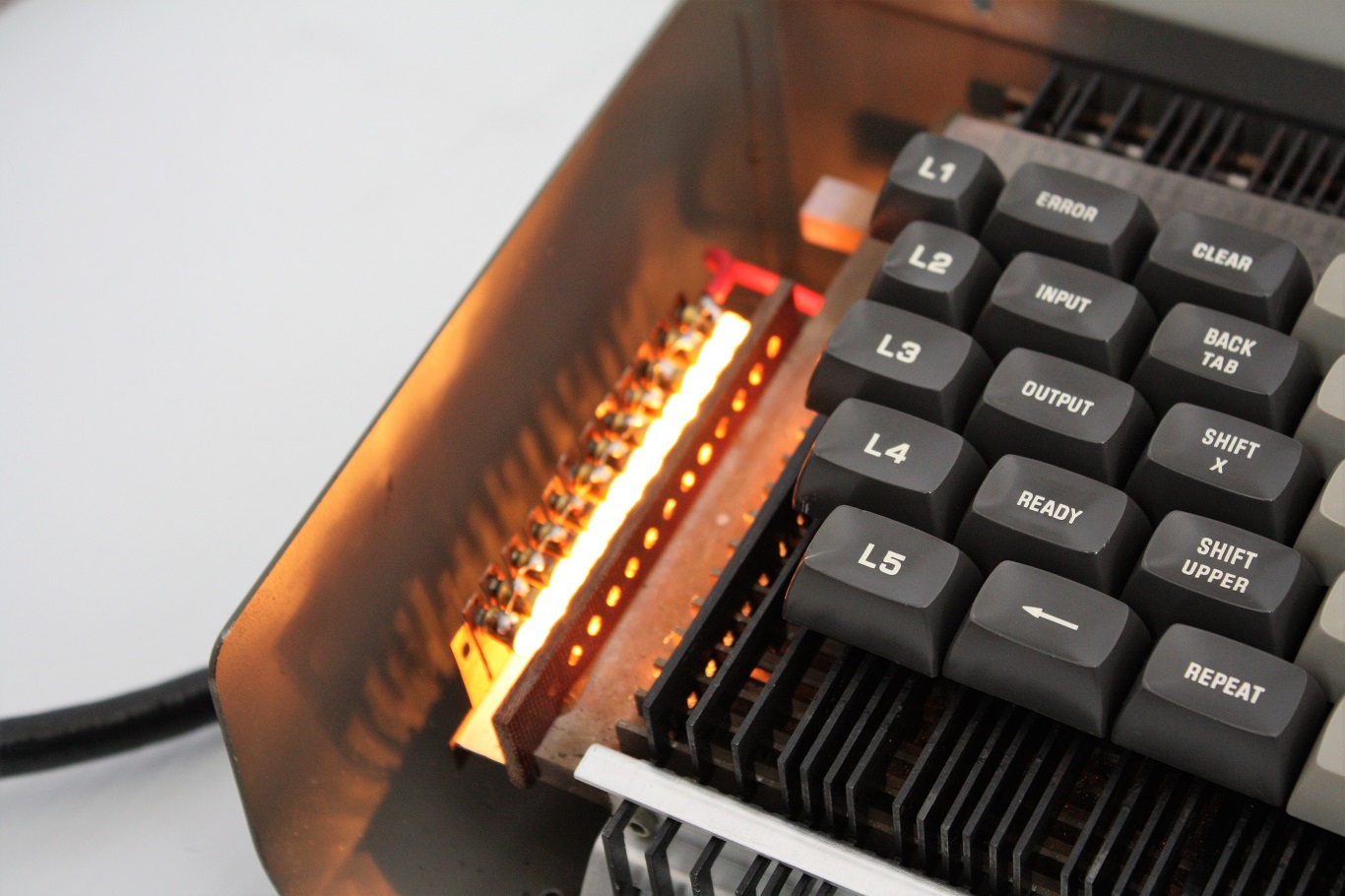
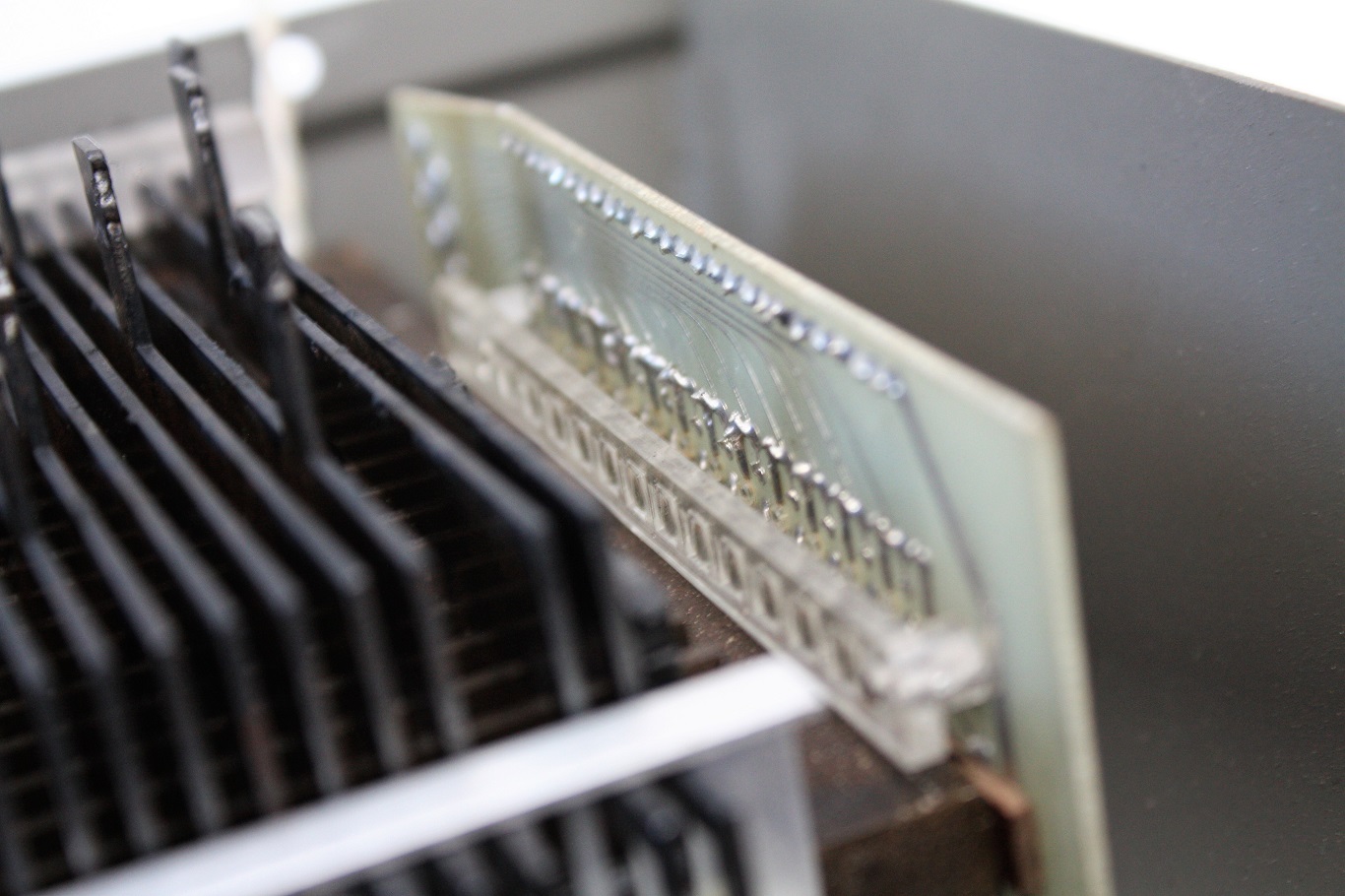
You can see the light channels under the key shafts. Depending on the key pressed, the light coming from the left side would be blocked by the unique fingers per key shaft so that the optical sensors on the right would see the unblocked light and determine what key was pressed. The light channels are also forged metal so this definitely adds to the weight (at 21 lbs just for the keyboard!).
From the post-restoration pics below, you can see that it turned out quite nicely.
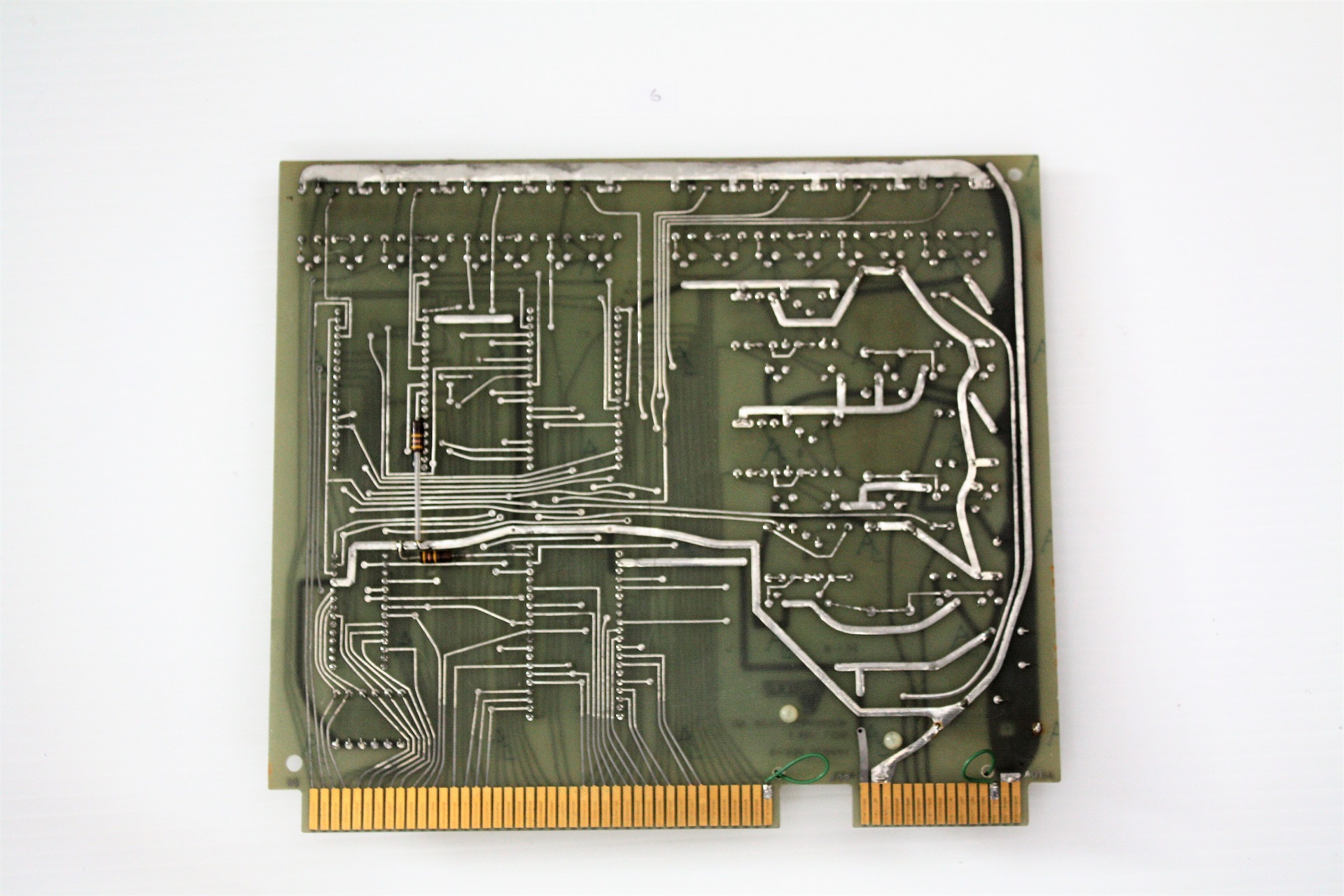
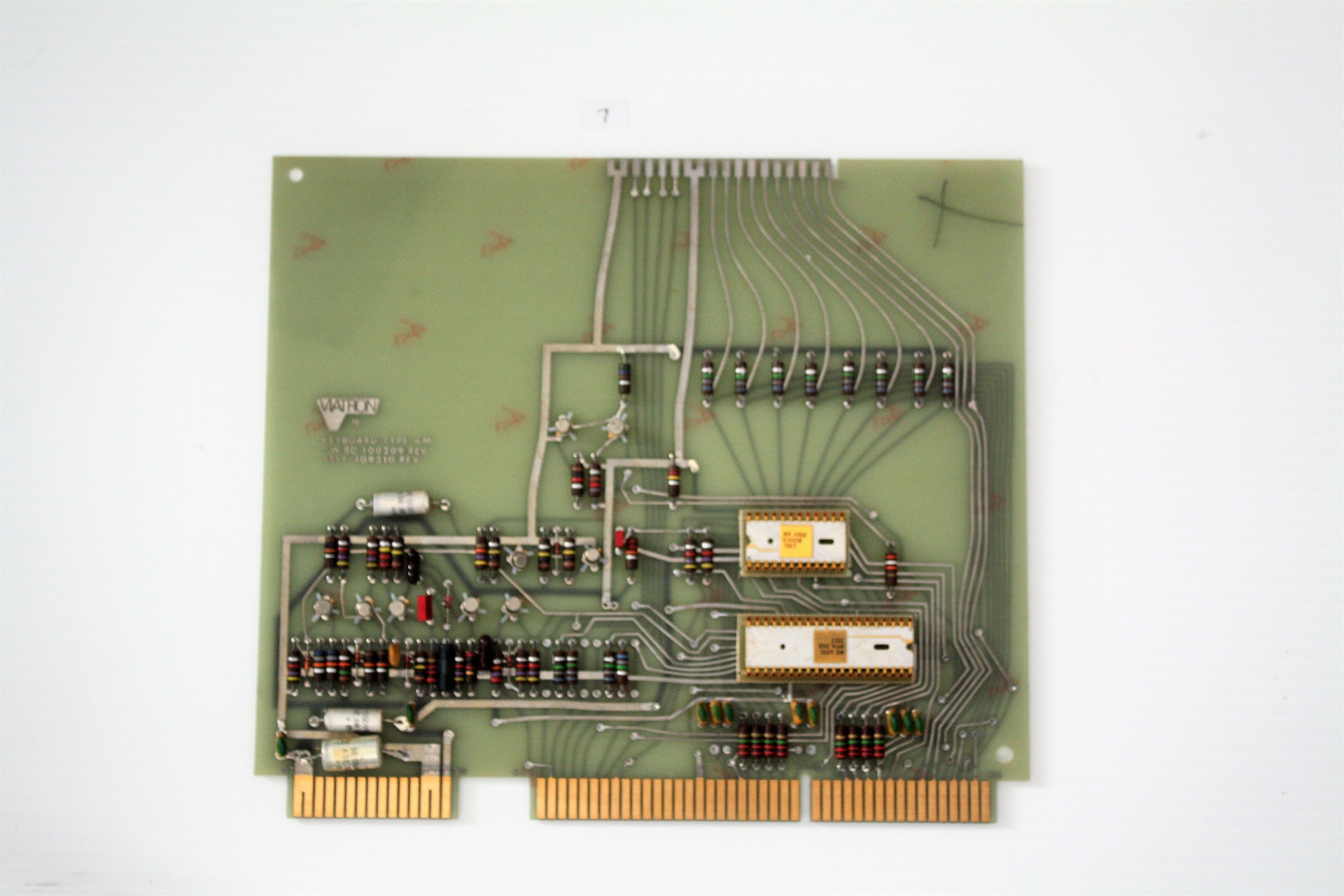
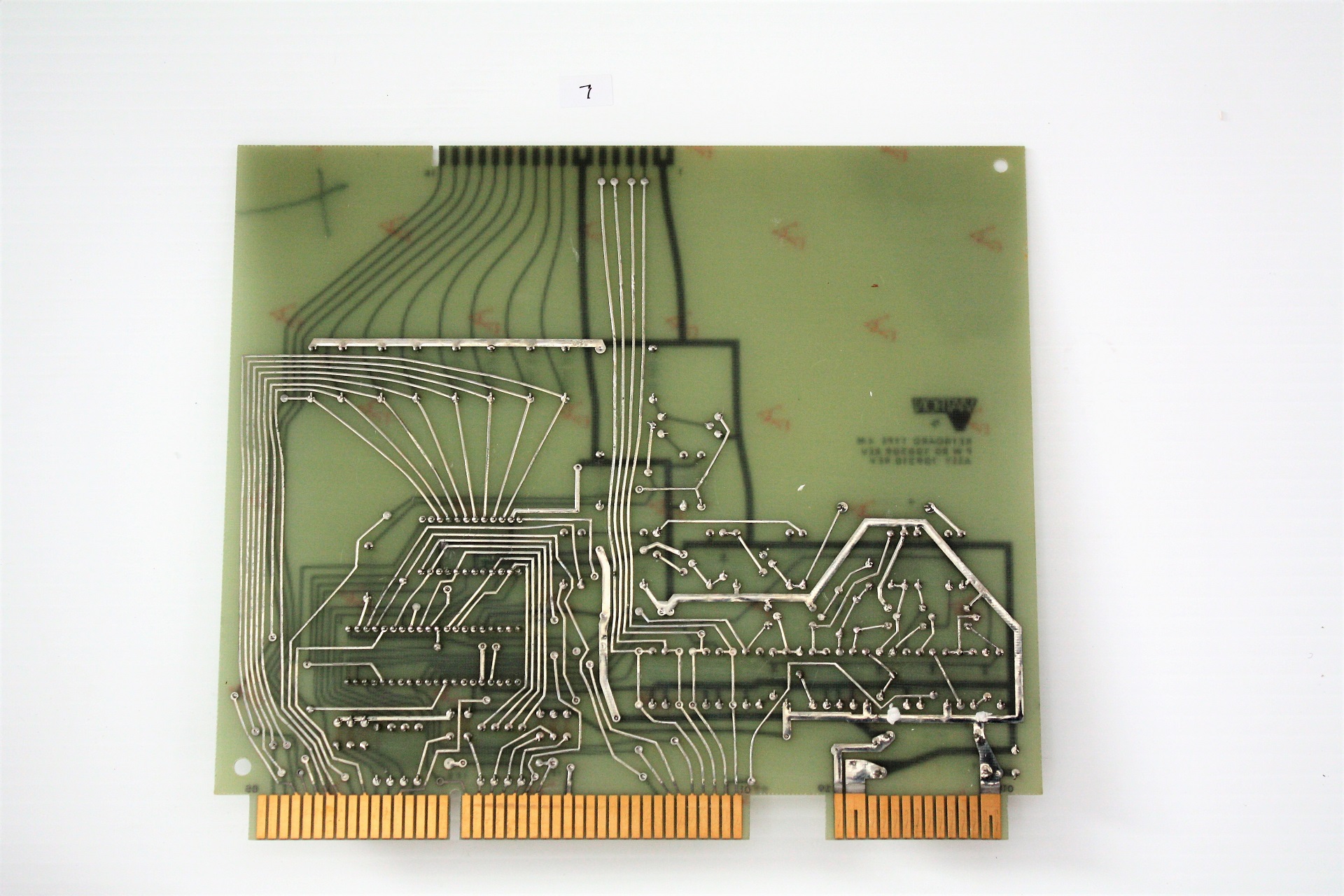
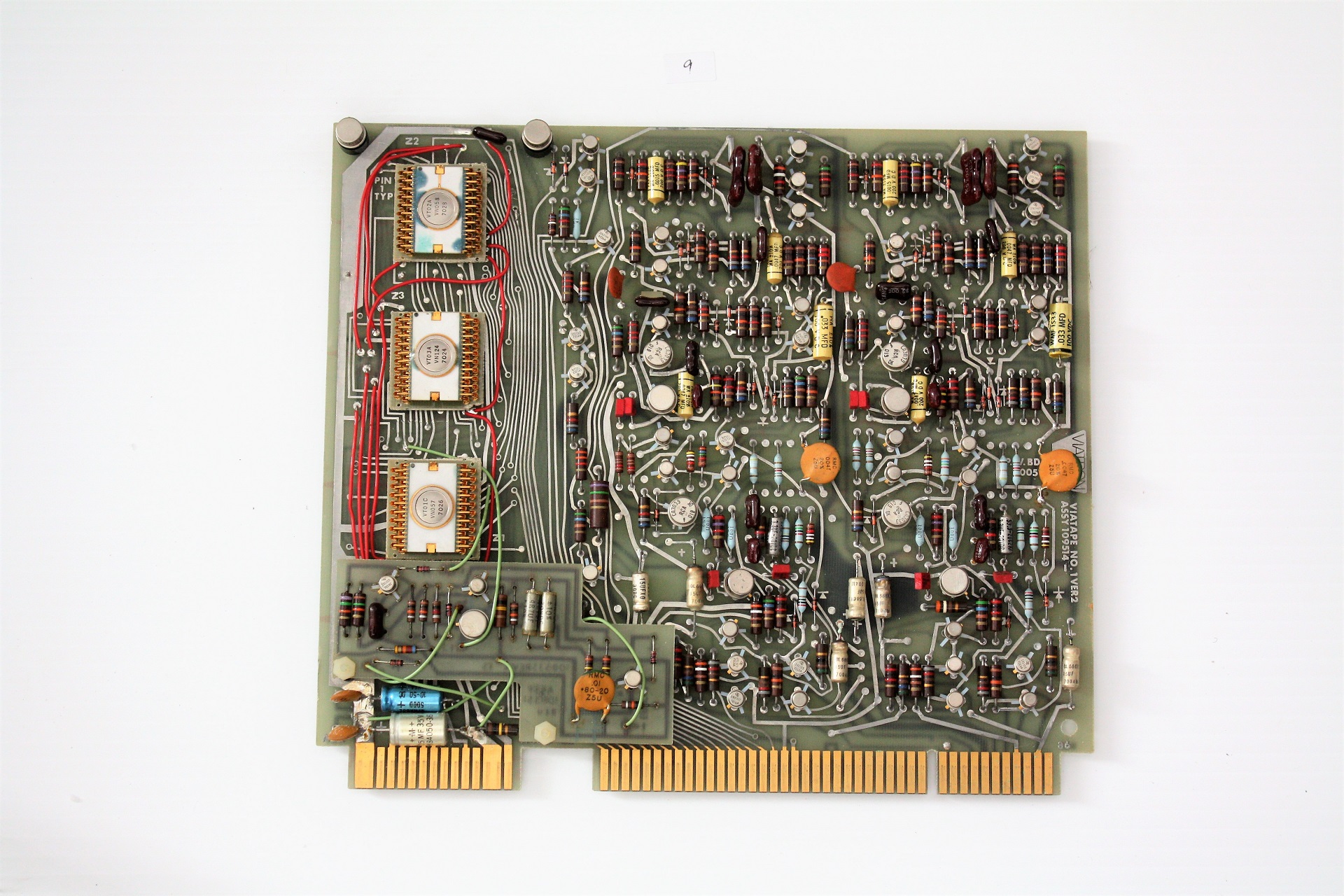
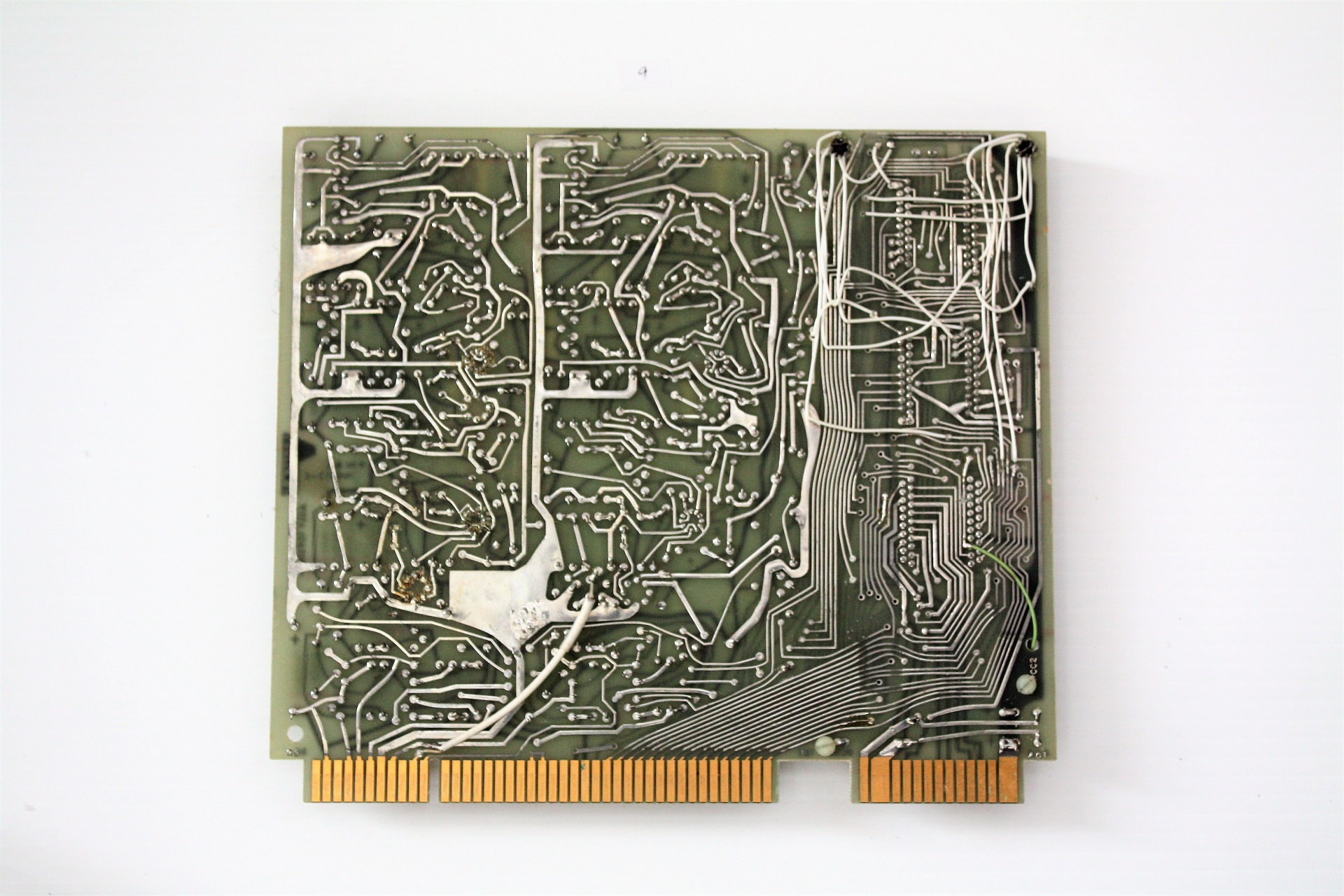
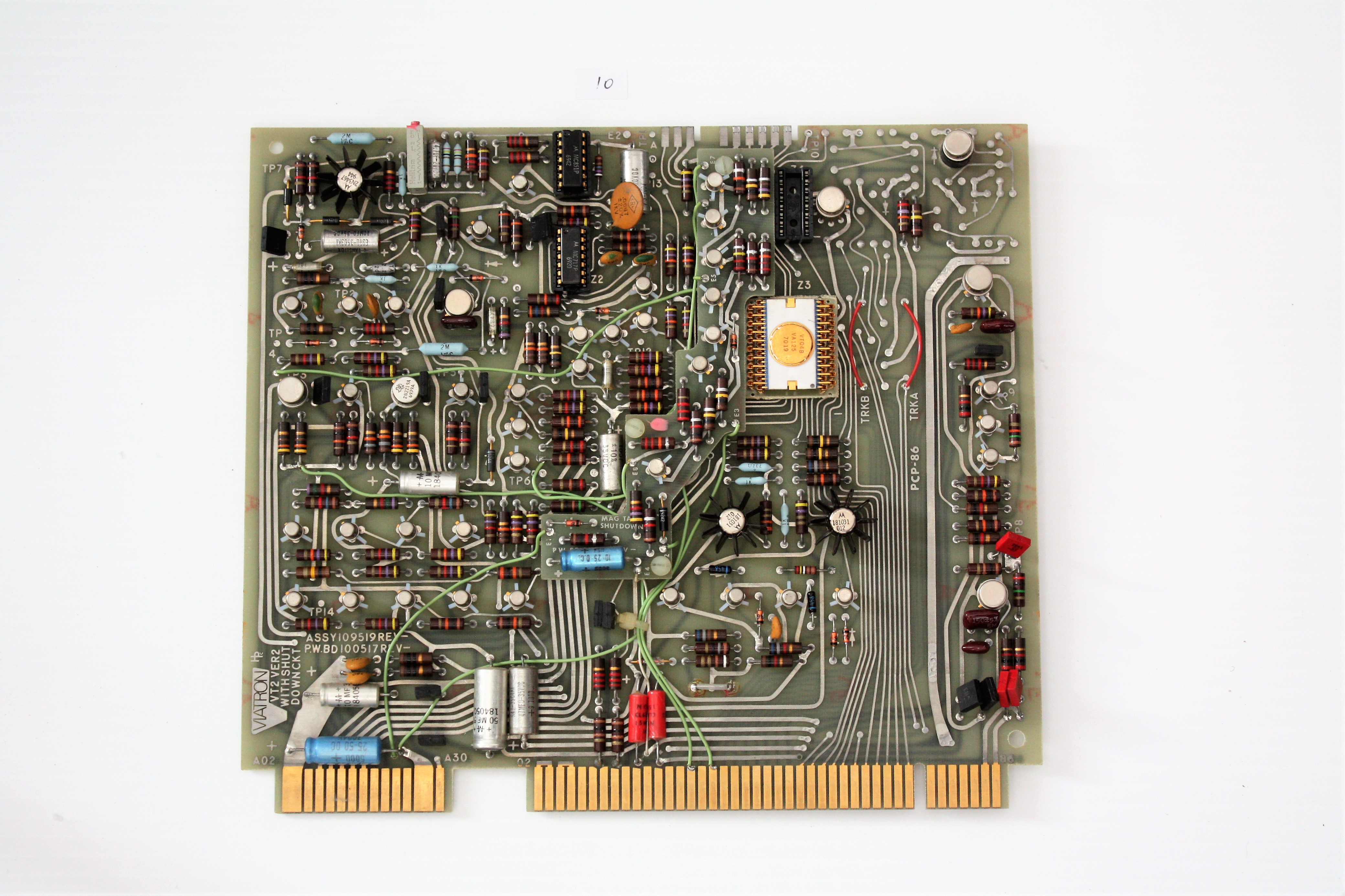
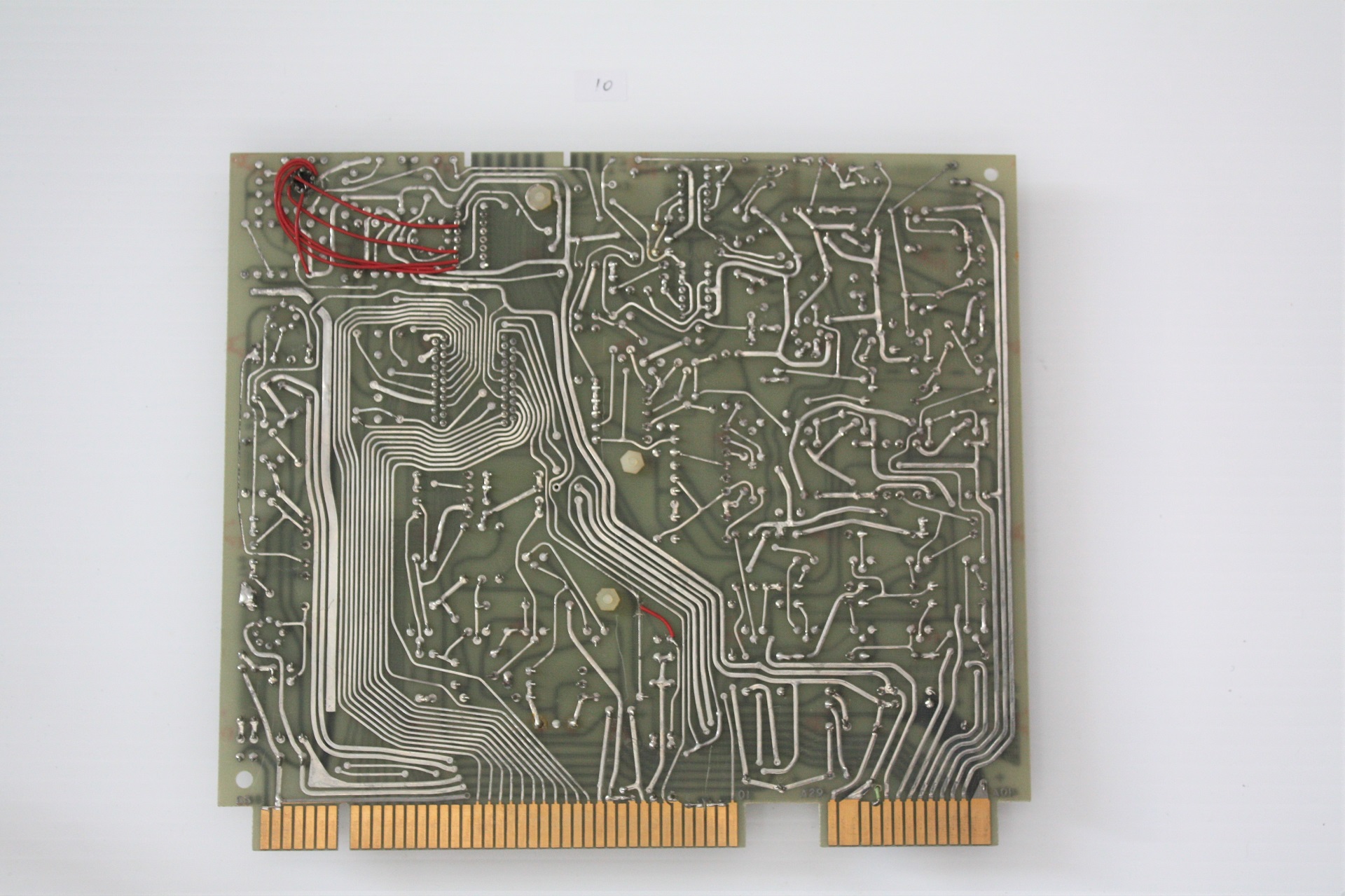
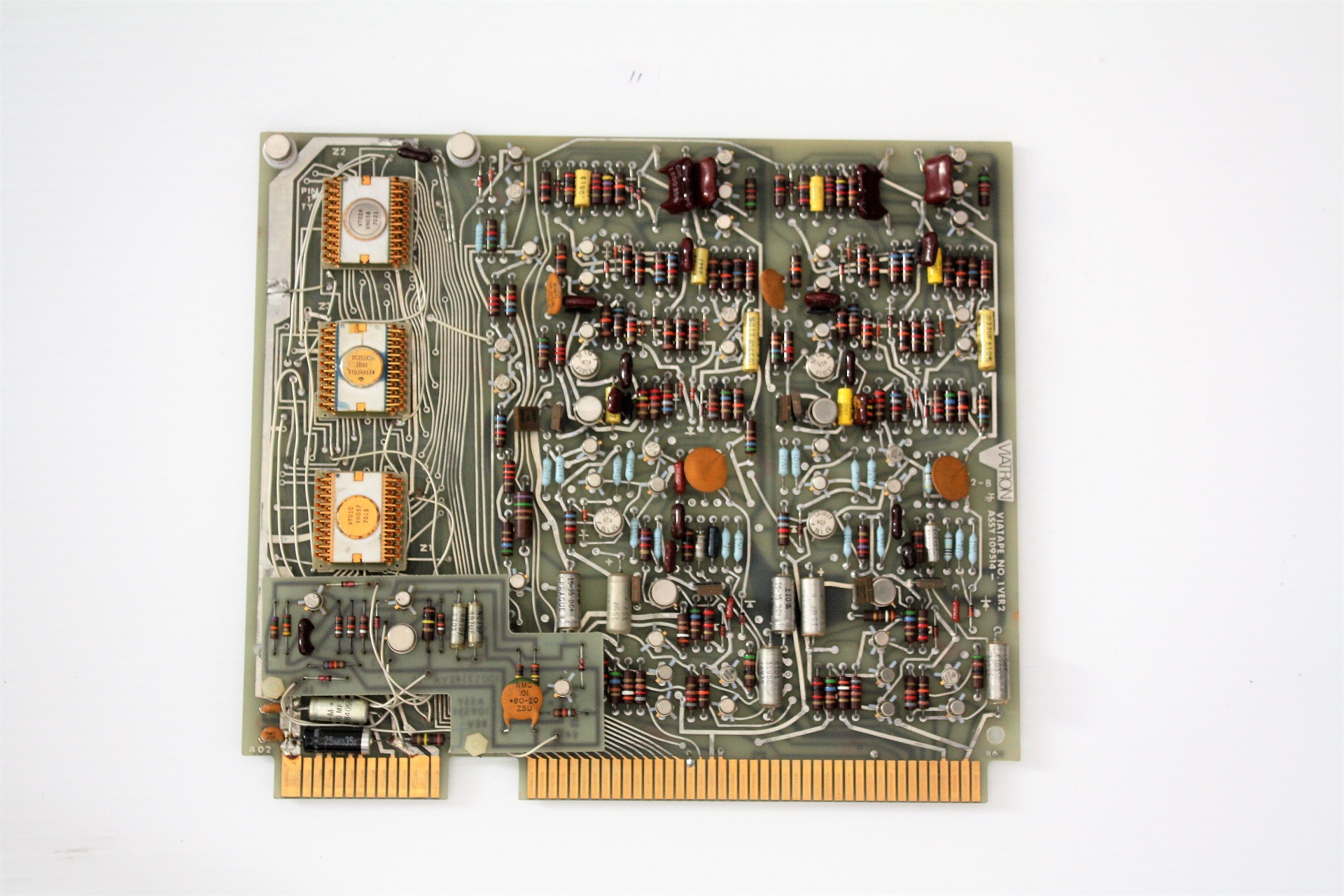
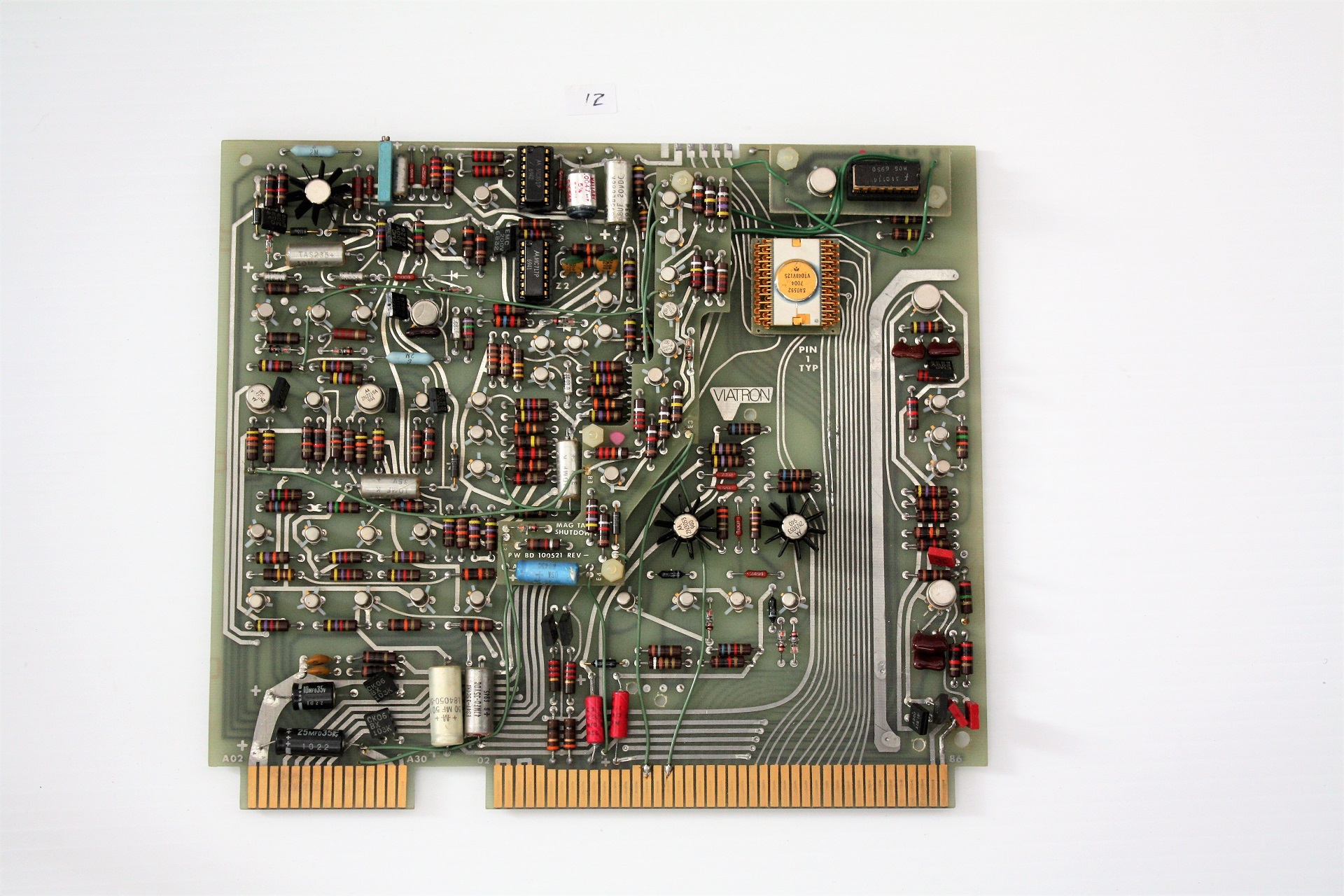
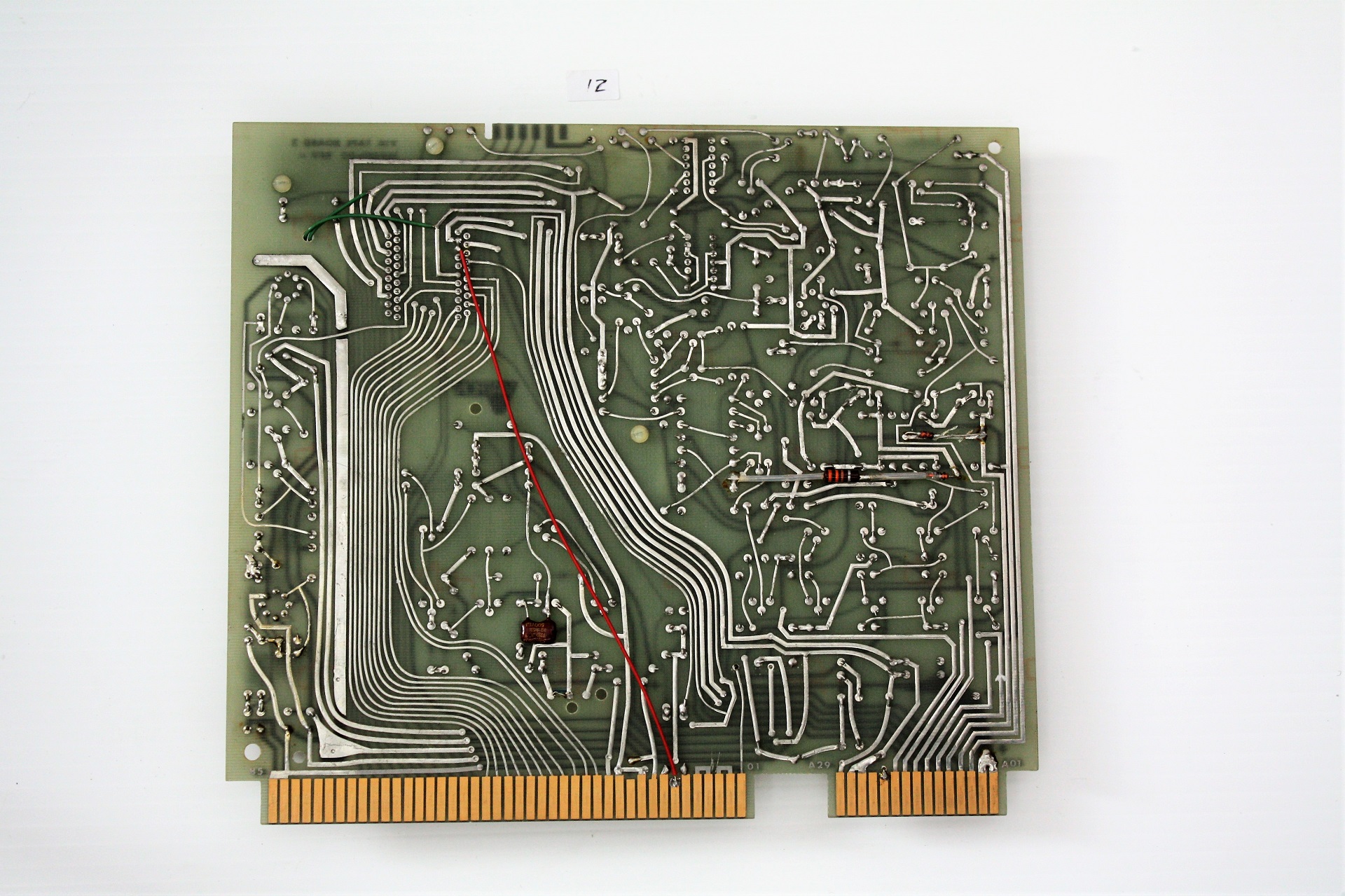
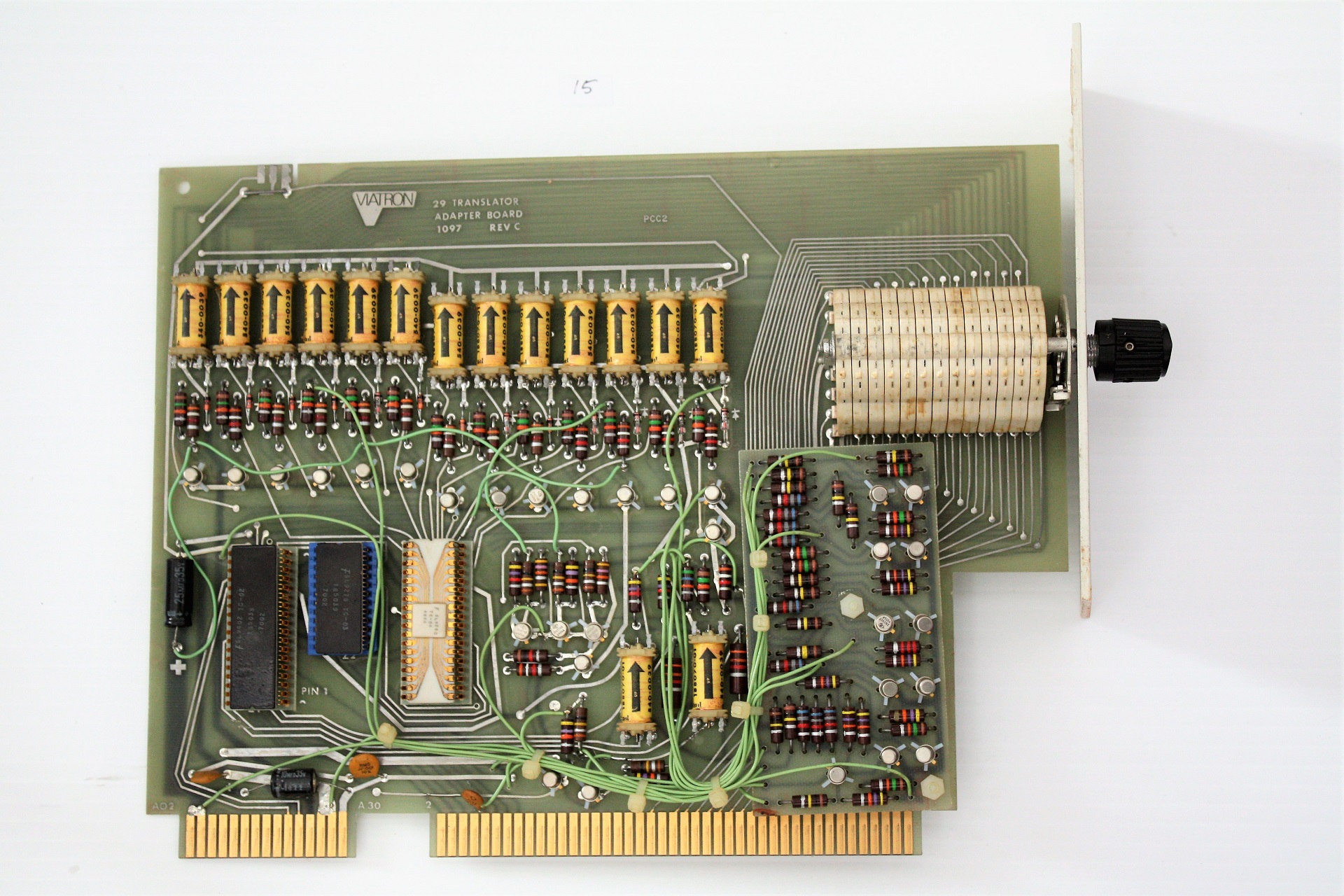
Here are the internal cards (boards) within the card cage by slot number for my reference:




Wow!!i am the daughter of Dr. Joseph Spiegel and am thrilled to see that there is an extant Viatron computer that has been restored. Thank you so much! It looks exactly as I remembered!!! Would you mind my sharing this info with the family?
Hi Amy,
By all means, please share this post. I also have a number of documents that I scanned in this directory that you may recall as well. I am always looking for more information on this terminal. Sadly, i have not been able to fully restore it as it uses some antiquated technology (I would not expect anything less) but it’s a wonderful example just the same. Thanks for reaching out.
Slots 9 and 11 were read / write and error correction. Slots 10 and 12 were tape severo control. They both were my boards.
Thanks for your comment Steve. If you have any further information, documentation or anything else, I would be grateful to hear about it.
I saw this on Wikipedia. “The semiconductor industry was unable to produce circuits in the volumes required, forcing Viatron to sell fewer than the planned 5,000–6,000 systems per month. This raised the production costs per unit and prevented the company from ever achieving profitability.
Bennet and Spiegel were fired in 1970, and the company declared Chapter XI bankruptcy in 1971.[4]”
I know one of the chips we could not get was from Rockwell. It was on one of my boards. I personally went over to production and saw over 100 machines all up and running without the chip. The folks in manufacturing actually gluded the springy legs so they would not break when they pluged a single chip into each machine for testing. Rumor had it that Rockwell diverted their resources to a Japanese company because there was a penality clause for nondelivery. Viatron was a new startup and didn’t have such clauses. The Japanese company was Sharp who made calculators that were booming in that time frame. We were late on deliveries so Bank of Boston pulled the line of credit. A big legal and financial mess followed regarding buying instead of renting machines.
Designer Robert Janes produced the “Viafont” typeface, based on a font model commissioned by Viatron for optical character recognition. See https://abcdinamo.com/typefaces/viafont.
Further information and interpretations of Viafont at https://fontsinuse.com/typefaces/95980/viafont.